

Why Do We Have So Many Meetings at Work? (And Why Most Should Have Been an Email)
Meetings once helped humans survive. Now they steal time, repeat emails, and end without actions. Why do we have so many—and do we really need them?

There is a very specific walk every office worker knows.
The long walk.
Laptop under one arm.
Notebook you won’t open under the other.
Lanyard swinging like a badge of quiet resignation.
You are not walking towards progress.
You are walking away from your desk… so someone can read aloud information you already received yesterday.
Welcome to The Long Walk to the Next Meeting.
Where Did Meetings Actually Come From?
Long before Outlook calendar invites and “quick catch-ups,” meetings were necessary for survival.
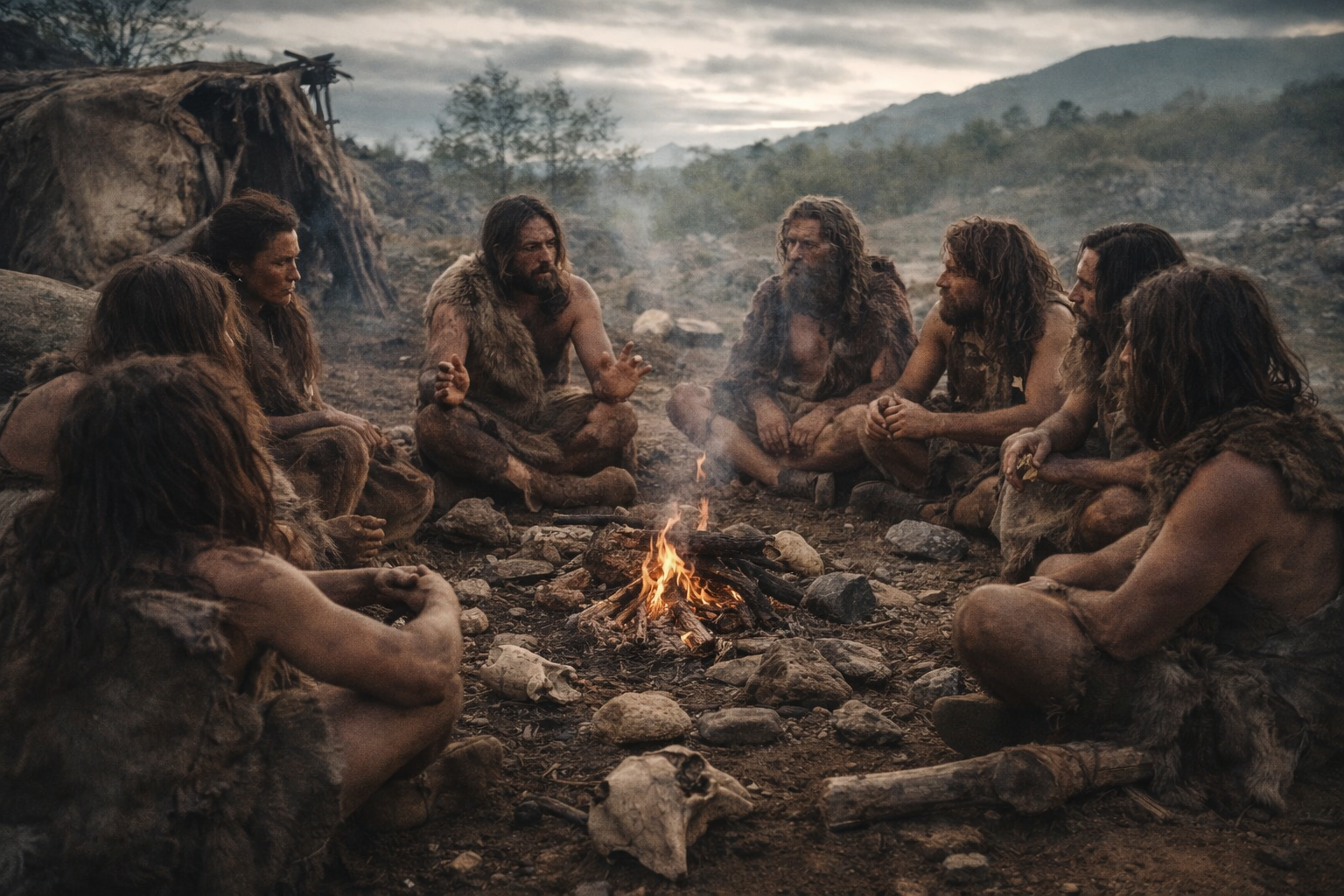
Early human societies — hunter-gatherers, tribes, early farming communities — relied on gathering together to solve urgent problems:
- How do we survive winter?
- What do we do if crops fail?
- Where do we hunt next?
- Who upset the mammoth?
These weren’t “optional syncs.”
They were life-or-death collaboration sessions.
If the meeting failed, people didn’t lose productivity.
They froze. Or starved. Or got eaten.
Suddenly, the modern “Could’ve Been an Email” meeting feels… less noble.
The Original Purpose of a Meeting (The Simple Theory)
At its core, a meeting was meant to do three very simple things:
- Identify a problem
- Bring the right people together
- Leave with clear actions
In Office Bantomime terms:
A group of mildly stressed humans enter a room.
Ideas are thrown around like paper aeroplanes.
One brave soul volunteers to “take that away.”
Everyone else escapes.
That’s it.
That’s the dream.
Collaboration: Two Brains Are Better Than One
(But Twelve Are a Nightmare)
Collaboration is the entire justification for meetings.
Two brains, different experiences, shared ideas — progress happens faster.
That part is true.
The problem starts when:
- The meeting has no decision-maker
- The wrong people are invited
- Everyone speaks, no one owns anything
- “Let’s circle back” becomes a lifestyle
At that point, collaboration turns into corporate theatre.
 James Mason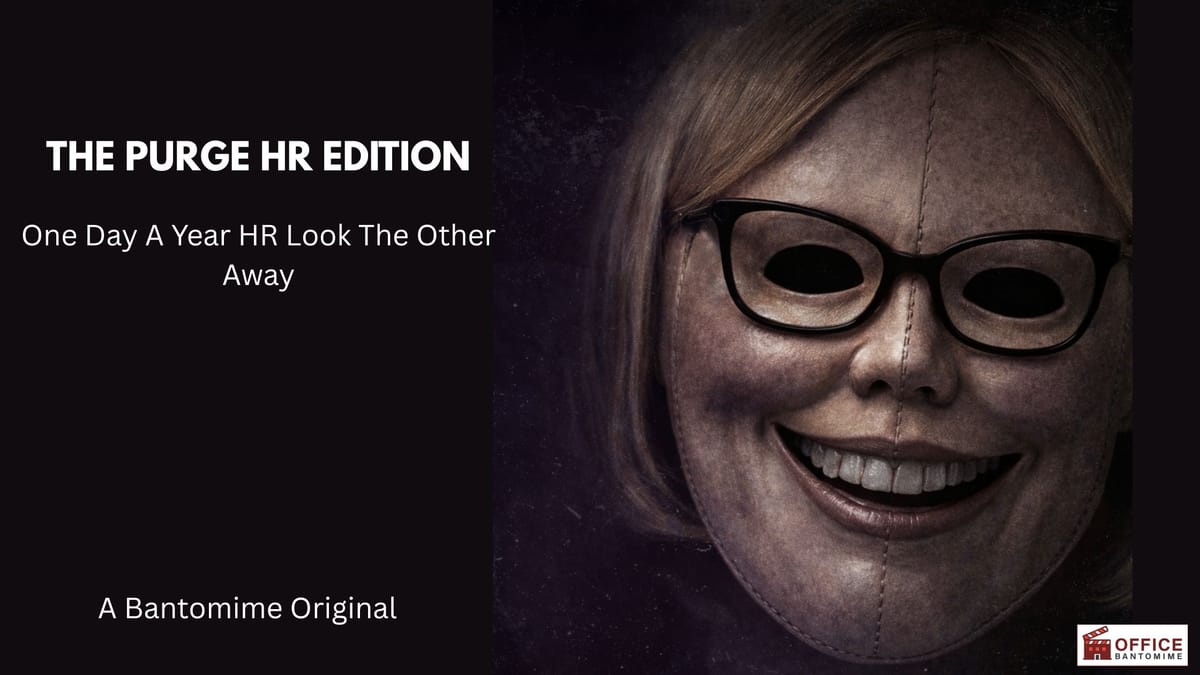
Meetings in History That Actually Mattered
Some meetings genuinely changed the world:
- Julius Caesar & the Roman Senate – Decisions that shaped an empire (and occasionally ended careers… permanently).
- Napoleon Bonaparte and his war councils – Strategy meetings with real consequences, not follow-up emails.
- Winston Churchill & the War Cabinet – Meetings that influenced the outcome of World War II.
- Abraham Lincoln & his Cabinet – Fierce debate, conflicting views, actual leadership.
Notice something?
No one said:
“Let’s book another meeting to discuss next steps.”
James Mason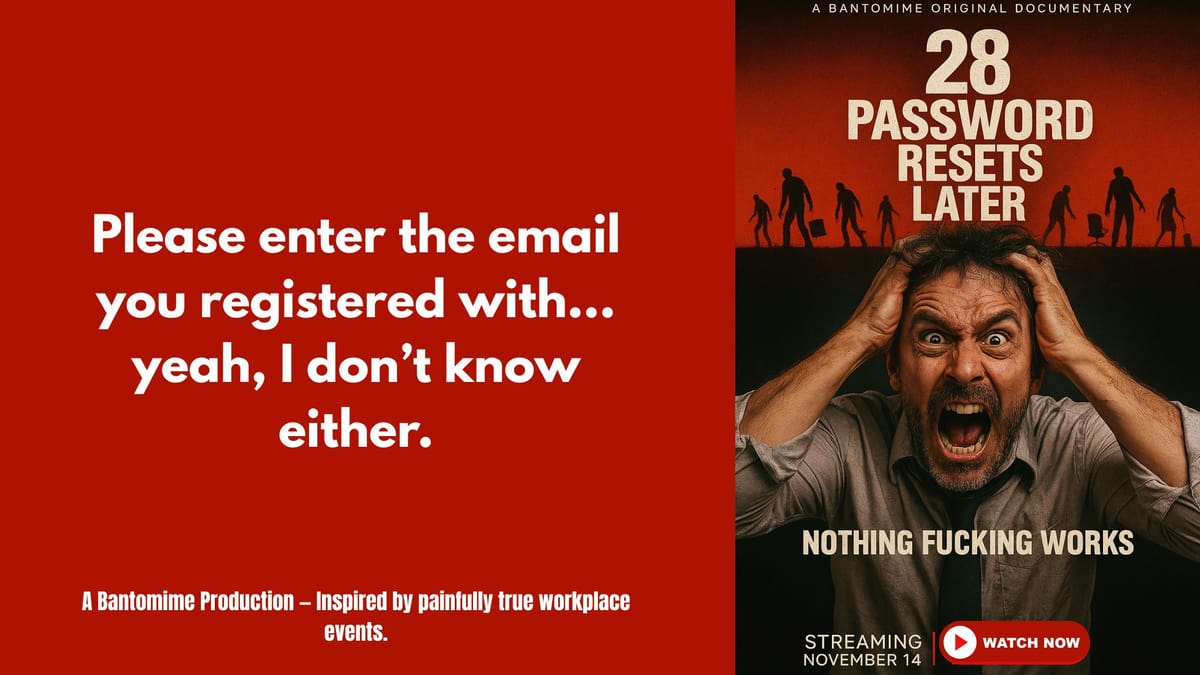
So… Do We Actually Need All These Meetings?
Short answer: No.
Long answer:
We’ve confused communication with progress.
Modern organisations hold meetings to:
- Look busy
- Avoid decisions
- Spread accountability so thin that no one can be blamed
- Fill calendars so work can’t interrupt meetings
Which leads us to the uncomfortable question…
Could This Have Been an Email?
If a meeting exists to:
- Share information
- Provide updates
- Read slides aloud
- Ask questions that could be typed
Then yes.
It should have been an email.
And if the email triggers another meeting?
Congratulations. You’ve unlocked Meeting Inception.
James Mason
Are There Too Many Meetings Today?
(Yes. Objectively.)
Here’s the uncomfortable data:
- The average employee spends 31–62 hours per month in meetings
- Middle managers spend up to 35% of their time in meetings
- Senior leaders can spend over 50% of their working week in meetings
- Studies consistently show that over 50% of meetings are considered unproductive
That’s not collaboration.
That’s calendar warfare.

 Krystal D’Costa
Why Do We Have So Many Meetings?
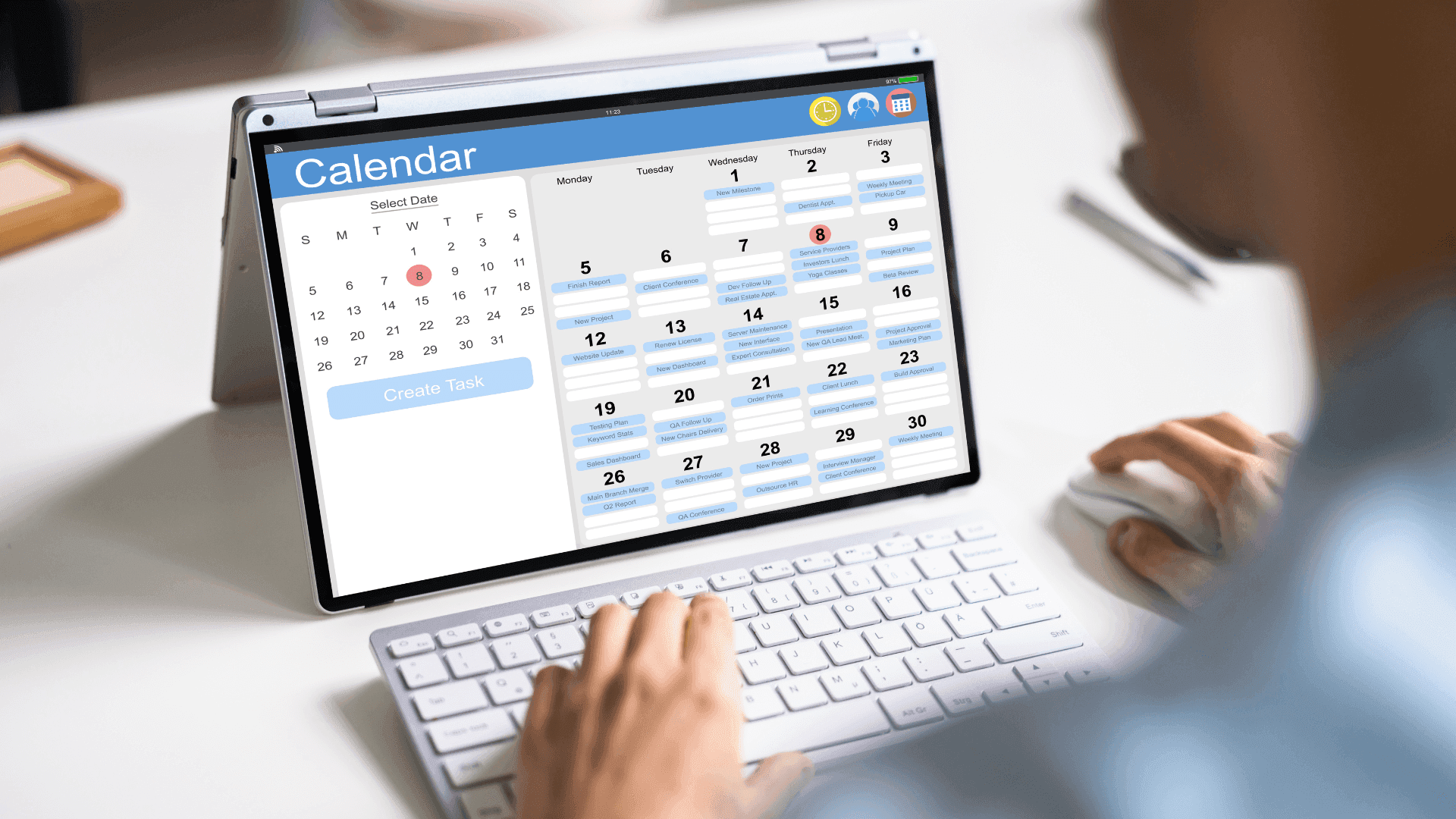
Somewhere along the line, being busy became confused with being productive. Meetings multiplied, calendars filled up, and work quietly slipped into the gaps between them.
The data explains why it feels relentless:
- The average employee spends around 11 hours a week in meetings — roughly 45 hours a month just talking about work rather than doing it.
(Source: Fellow.ai) - Middle managers spend up to 35% of their working time in meetings, often acting as human glue between teams, decisions, and unclear ownership.
(Source: The Muse) - Senior leaders can spend over half their working week in meetings, leaving little time to actually lead, think, or decide.
(Source: The Muse) - And perhaps most damning of all, over half of meetings are widely considered unproductive, ending in discussion rather than decisions, and momentum rather than action.
(Source: Rep.ai)
In other words, we’re not short on meetings.
We’re short on outcomes.
How Many Meetings End With… Nothing?
Research suggests:
- Over one-third of meetings end with no clear actions
- Many meetings generate discussion, not decisions
- Follow-up is often verbal, vague, or forgotten entirely
Which explains why you leave thinking:
“I’m not sure why I was there… but I was definitely there.”
James Mason
Who Invented Meeting Minutes — and Why Do They Matter?
Meeting minutes didn’t come from corporate HR.
They came from formal assemblies, councils, and courts, where:
- Decisions needed to be recorded
- Accountability mattered
- History needed accuracy
Minutes work because they:
- Capture decisions, not waffle
- Assign ownership
- Create accountability
- Stop the same meeting from happening again next week
Without minutes, meetings simply… reincarnate.
James Mason
The Office Bantomime Rule of Meetings
If Office Bantomime ran your calendar, meetings would follow three rules:
- No purpose, no meeting
- No decision-maker, no meeting
- No actions, the meeting didn’t happen
Everything else?
Email it.
Slack it.
Stick it on a shared doc.
Or, radical idea — trust adults to work.
Final Thought: The Walk Never Ends
Meetings began as survival tools.
Somewhere along the way, they became habits.
So next time you make The Long Walk to the Next Meeting, ask yourself:
- Why am I here?
- What decision is being made?
- And most importantly…
Could this have been an email?


