
When the Desk Snaps Back: Dealing with Workplace Anger and Desk Rage Before It Breaks You
When workplace pressure hits breaking point, calm turns to chaos. Discover what fuels desk rage, how to control it, and why your stapler deserves danger pay.


If you’ve ever slammed a stapler, muttered an expletive at your inbox, or fantasised about throwing your monitor out the window, congratulations — you’ve experienced the modern epidemic known as desk rage.
It’s the office cousin of road rage, only with fewer traffic lights and more passive-aggressive Teams messages. In a world where “urgent” means everything, technology never sleeps, and coffee machines keep breaking, it’s no wonder the workplace has become a stress-pressure cooker.
What Exactly Is Desk Rage?
Desk rage is that glorious moment when professional composure gives way to primal frustration. It might look like yelling, slamming a drawer, aggressively clicking your mouse, or writing a twelve-paragraph “kind regards” email.
Psychologists define it as an extreme outburst of anger or hostility at work, usually triggered by stress, overload, or a general loss of sanity somewhere around meeting number seven of the day. It’s the digital age’s way of saying: you’ve reached your emotional storage limit.
 James Mason
What Feeds the Fire?
Oh, where do we begin?
- Tight deadlines that make you age in dog years.
- Never-ending Teams calls where everyone talks but no one listens.
- Technology that freezes the moment you’re about to impress your boss.
- And let’s not forget office noise, poor management, pointless bureaucracy, and Karen from Accounts who replies all.
Add in job insecurity, high workloads, and that mysterious colleague who “forgets” to mute during calls, and you’ve got a recipe for emotional combustion.
Even small annoyances, like a forgotten “good morning” or someone using your mug, can tip a tired brain over the edge. Desk rage thrives in the micro-moments — it’s not one big event; it’s death by 1,000 PowerPoints.
 James Mason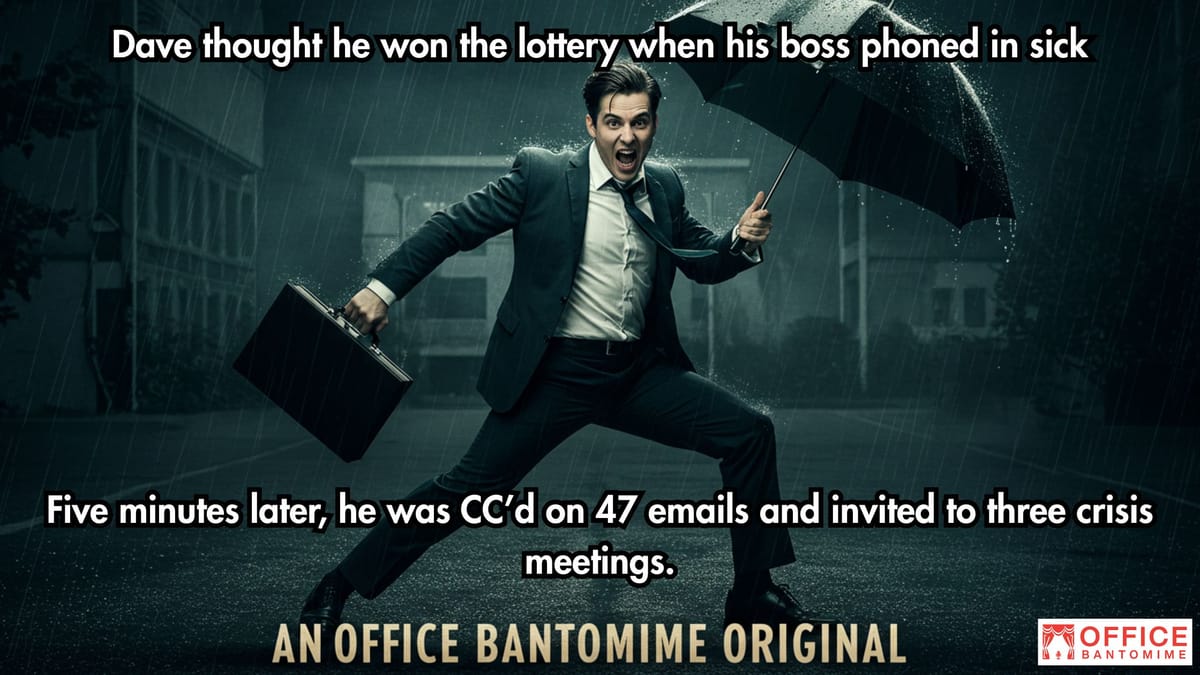
When Rage Becomes Routine
Studies suggest that 60% of employees have seen someone yell at work, and nearly half admit to doing it themselves. Some cry, some rant, others engage in subtler forms of rebellion — like slow-walking tasks, “accidentally” deleting shared files, or passive-posting on LinkedIn about “toxic leadership.”
Desk rage doesn’t just make you unpopular; it’s career sabotage disguised as stress relief. Relationships suffer, reputations crumble, and productivity flatlines faster than your motivation on a Monday morning.
 James Mason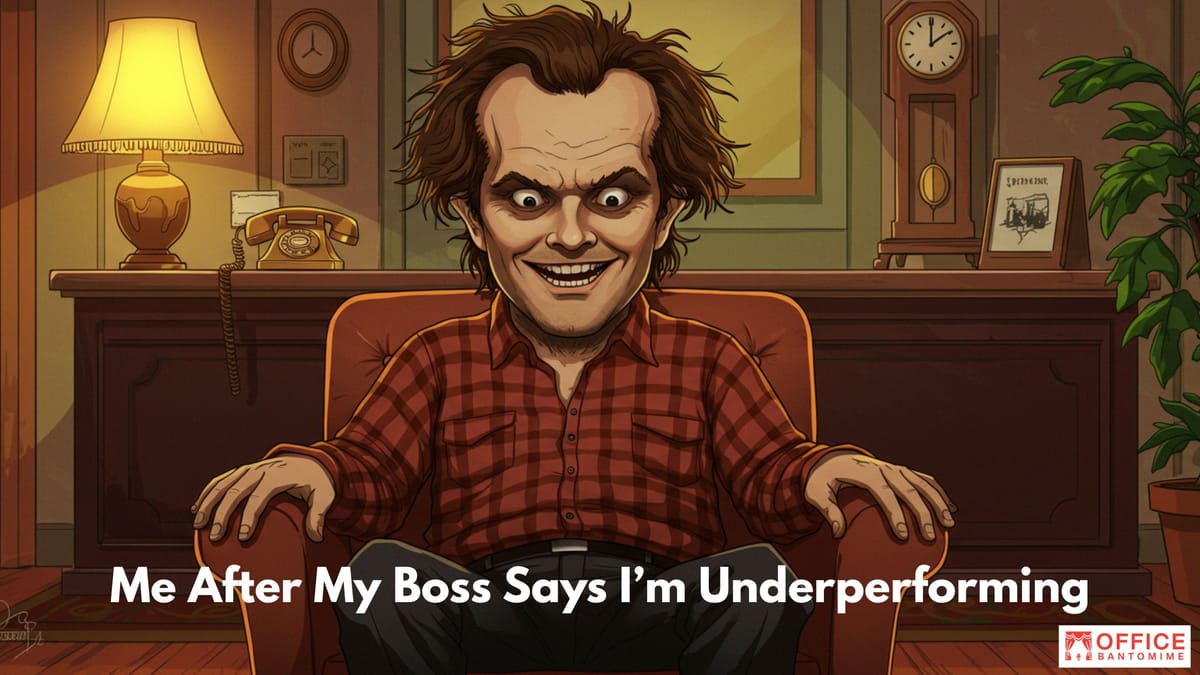
🧘♀️ How to De-Rage the Workplace
- Step Away from the Desk
Take a walk. Breathe. Hide in the bathroom if you must. You’re not avoiding work; you’re preventing an HR-sized disaster. - Reduce the Noise
Studies show constant noise increases stress and lowers concentration. Invest in noise-cancelling headphones — or a quiet death stare that discourages chatty colleagues. - Encourage a Breathing Culture
Managers: if your idea of wellness is a single “mental health” email once a year, do better. Offer real breaks, flexible time, or a space where people can not talk for five minutes. - Establish a ‘No Rudeness’ Policy
Civility should be part of performance reviews. Politeness costs nothing — unless you’re buying it from HR after an incident. - Train Your Brain
Mindfulness, meditation, yoga, or just not checking your emails after 10 p.m. — whatever helps you stay human. Stress management isn’t fluff; it’s productivity armour. - Sleep Like It’s Your Job
Lack of sleep magnifies irritation. No one’s ever had a meltdown after eight hours of rest and a decent breakfast.
The Bigger Picture
Desk rage is a symptom of something deeper — burnout culture. When employees are treated like 24/7 machines, they eventually start to act like overheating ones. The fix isn’t about banning anger; it’s about redesigning workplaces where people can breathe, think, and occasionally laugh at the absurdity of it all.
Because the truth is: nobody wins a shouting match with a desk. The desk always wins.
You’ve read the tips, you’ve promised yourself you won’t throw another pen across the room… but how close are you to a full-blown desk meltdown? Time for a little self-reflection — Bantomime-style.
Take our Desk Rage Check, a quick 10-question psychology-inspired quiz to find out whether you’re the calm in the corporate storm… or seconds away from re-enacting The Wolf of Wall Street at your next meeting.
Whether you landed in the Calm Operator, Warning Zone, or Desk About to Detonate category, the important part is recognising the signs before your blood pressure and HR’s inbox both explode.
😤 Desk Rage Check
What’s fuelling your workplace anger — Workload, People, or Self-Control? Tap answers to select.
📦 Workload Triggers
-
1) When work piles up, I feel my emotions rising fast.
-
2) Tight deadlines make me snappy or withdrawn.
-
3) Tech glitches (printer, VPN, Teams) tip me over the edge.
🧑🤝🧑 People & Irritation
-
4) Small mistakes from colleagues really get under my skin.
-
5) I’ve raised my voice, slammed something, or sent a spicy email.
-
6) I hold on to grudges at work longer than I should.
🧠 Self-Control & Wellbeing
-
7) I feel physical tension (jaw/shoulders/stomach) when stressed.
-
8) I bottle frustration until it bursts.
-
9) Work stress or anger affects my sleep.
-
10) I’ve said or done something in anger I later regretted.
Awareness tool, not diagnosis. If anger impacts health or safety, talk to a professional.
Remember — a cool head beats a broken keyboard every time.
If your results raised an eyebrow (or your heart rate), take a walk, talk it out, or grab a proper break. Even better — share this quiz with your team. After all, it’s cheaper than replacing another monitor.


