

Wilfrid Winterbottom: A Workplace Comedy Comic About Corporate Life
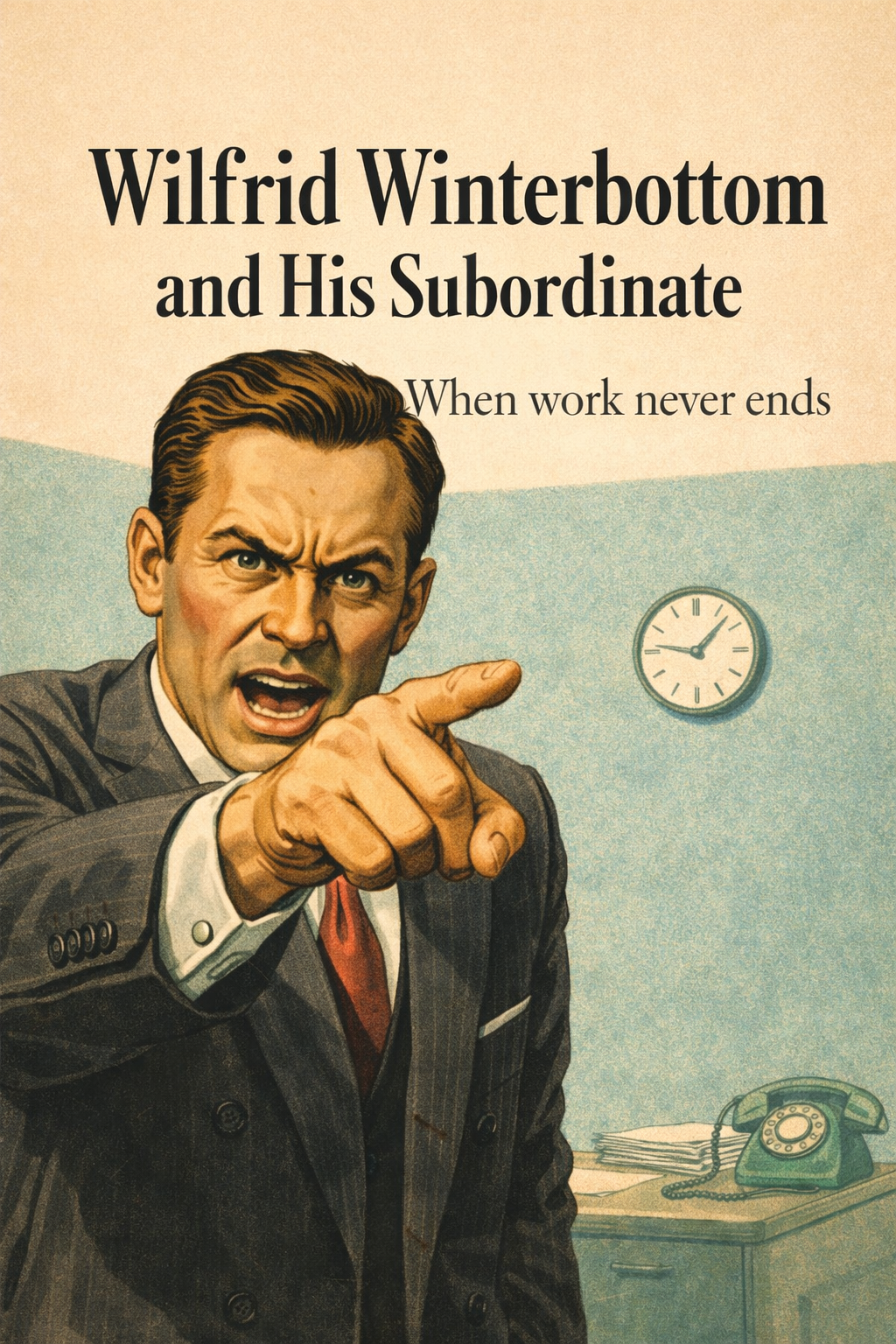
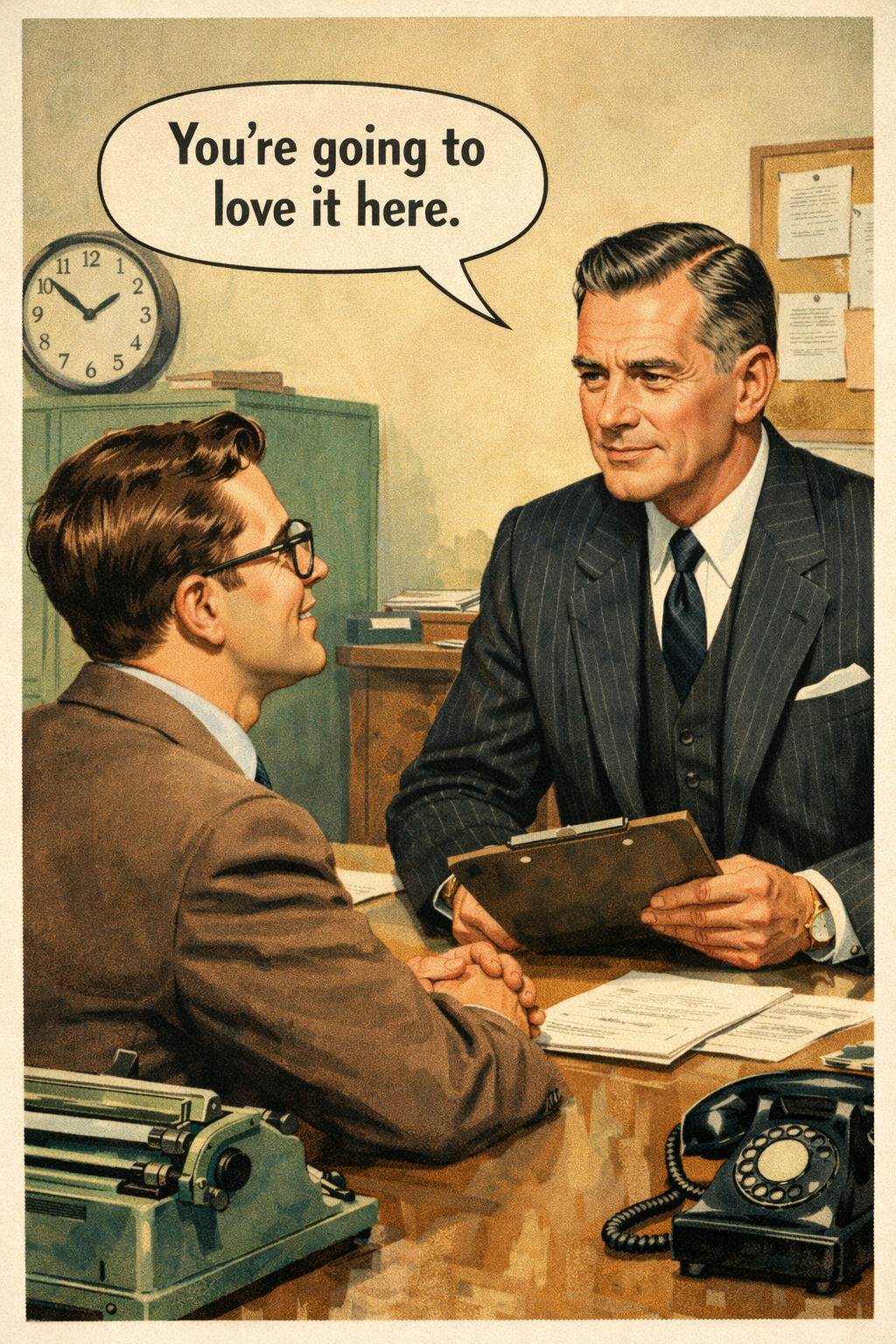
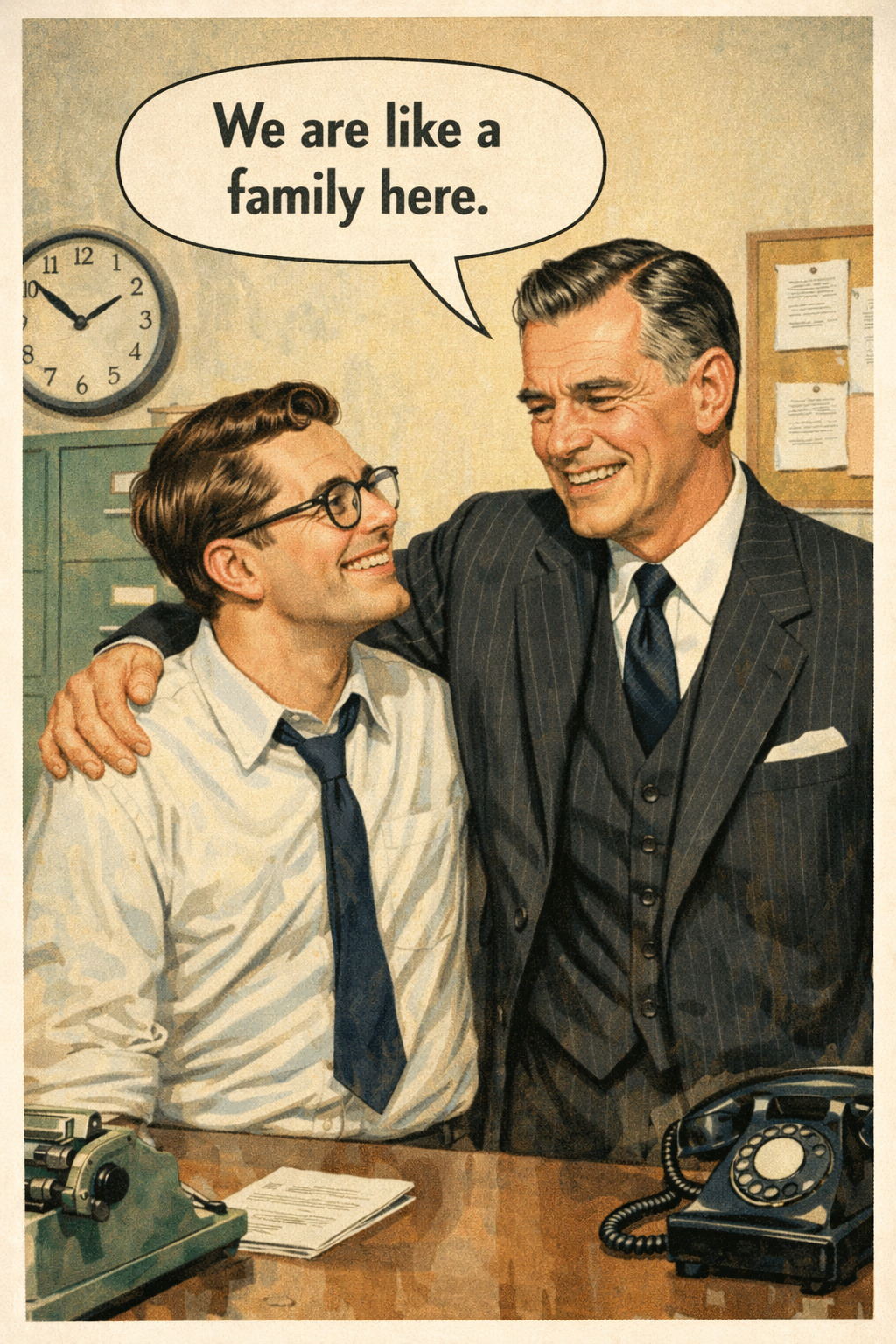
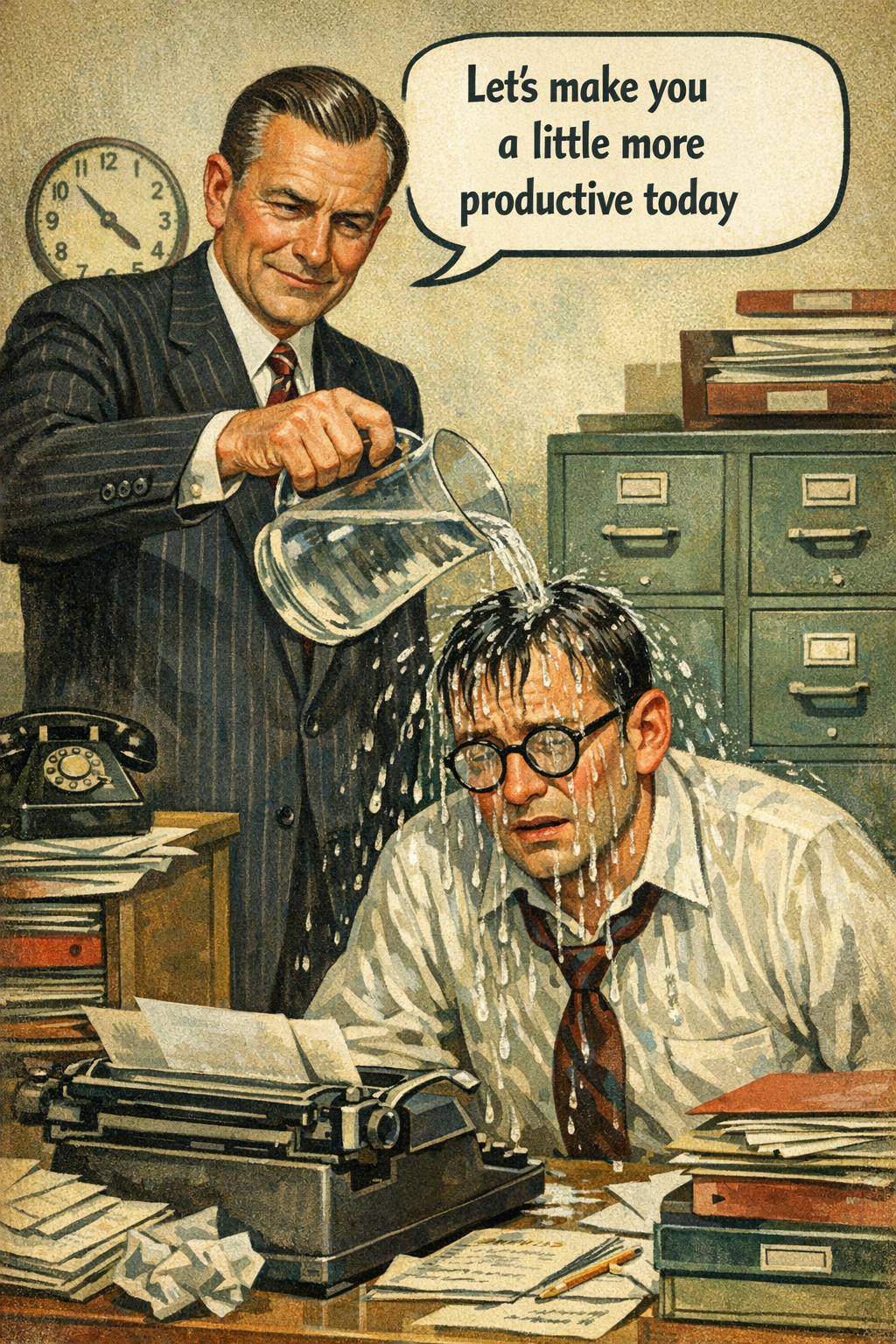
Wilfrid Winterbottom is a workplace comedy comic about office life, bad managers, meetings that should have been emails, and surviving corporate culture. Each episode follows the daily reality of modern office work — exaggerated just enough to hurt.

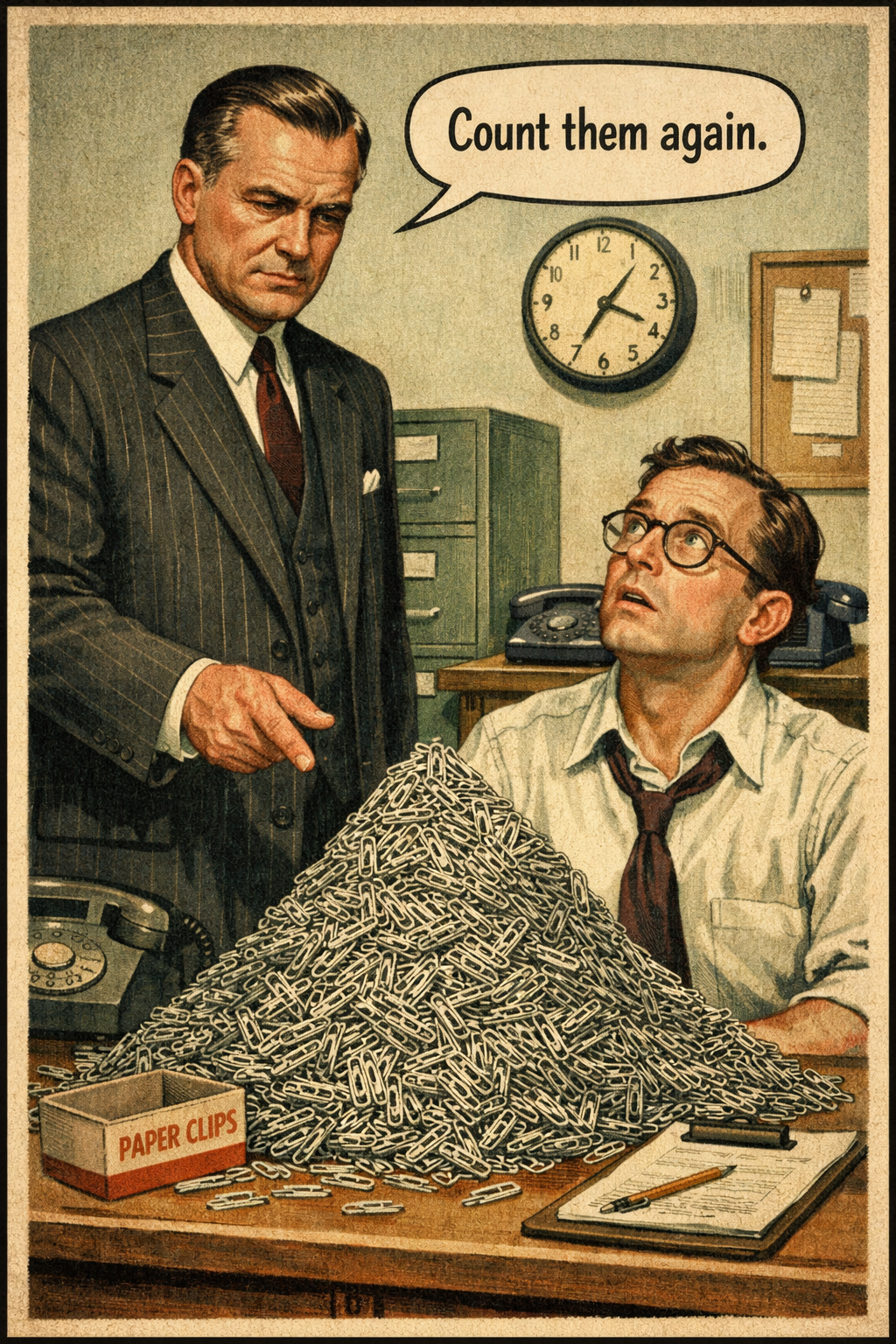
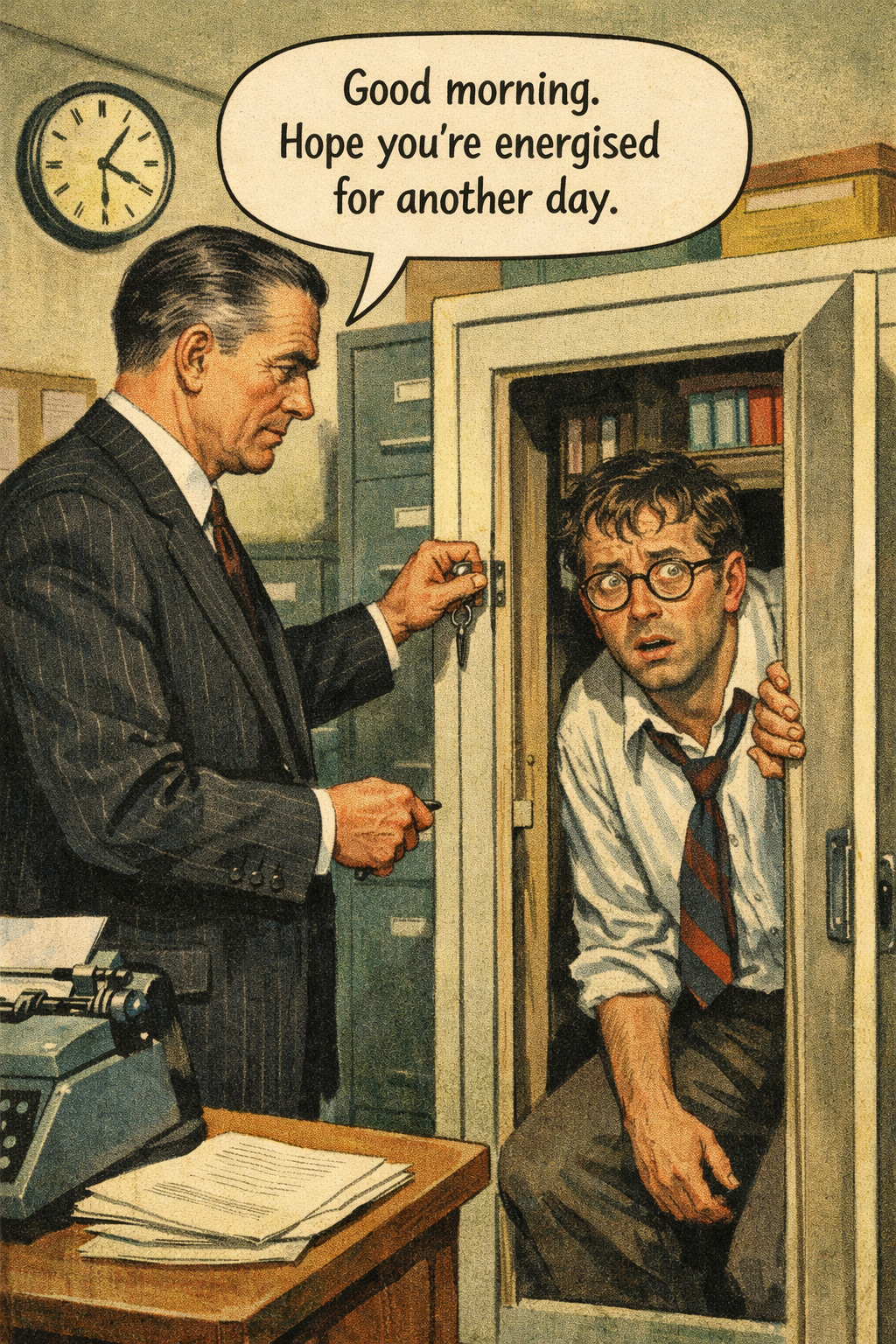
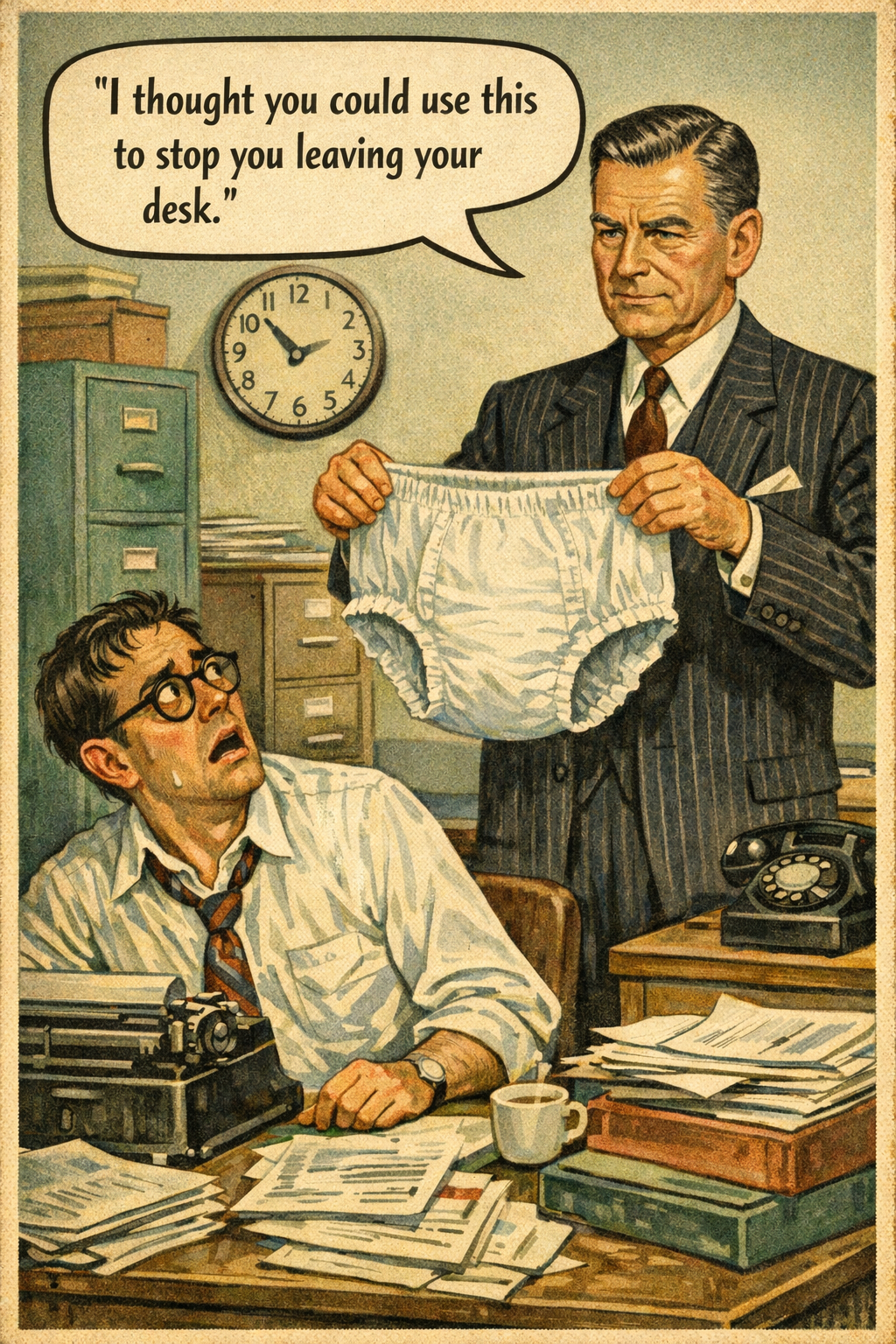
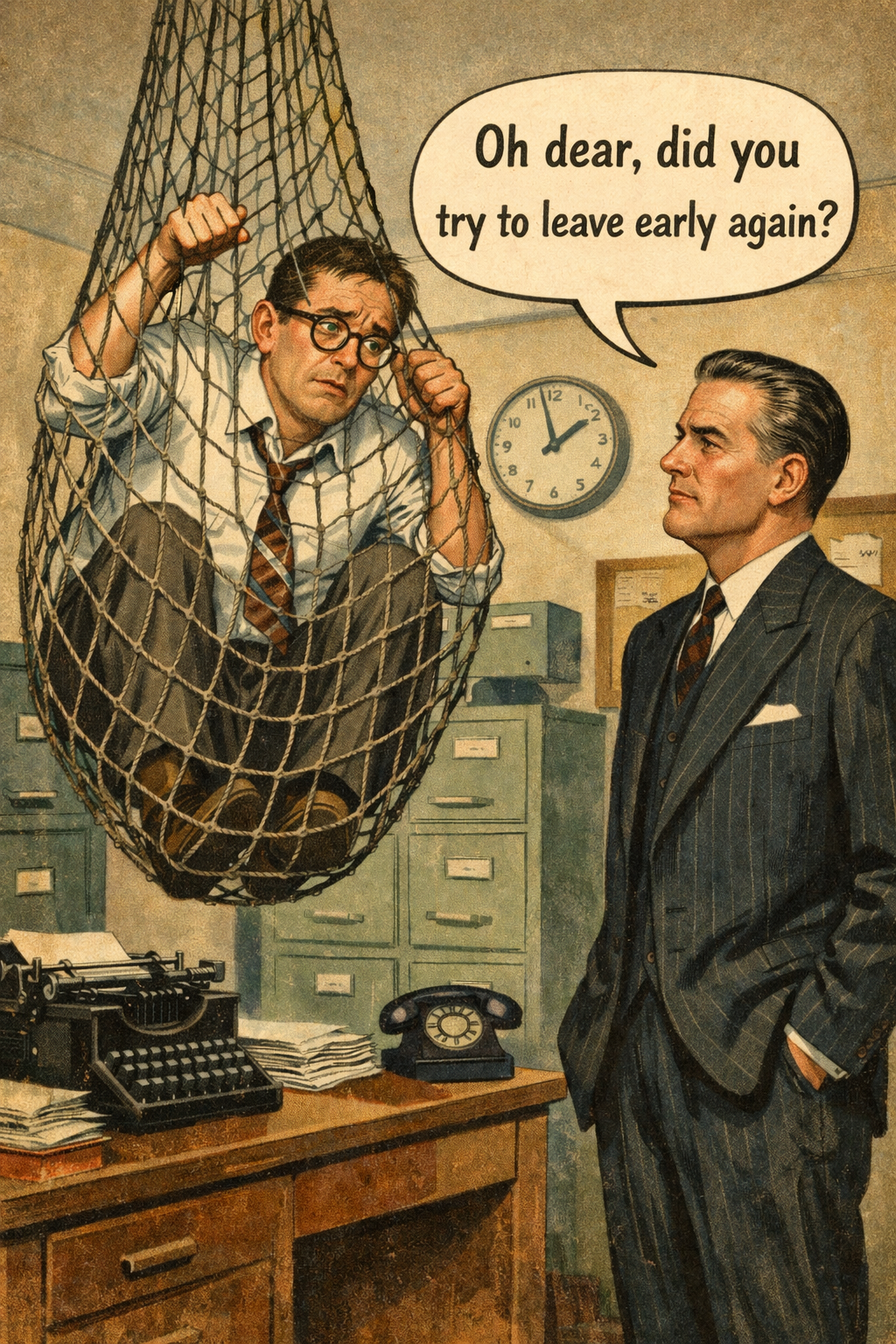
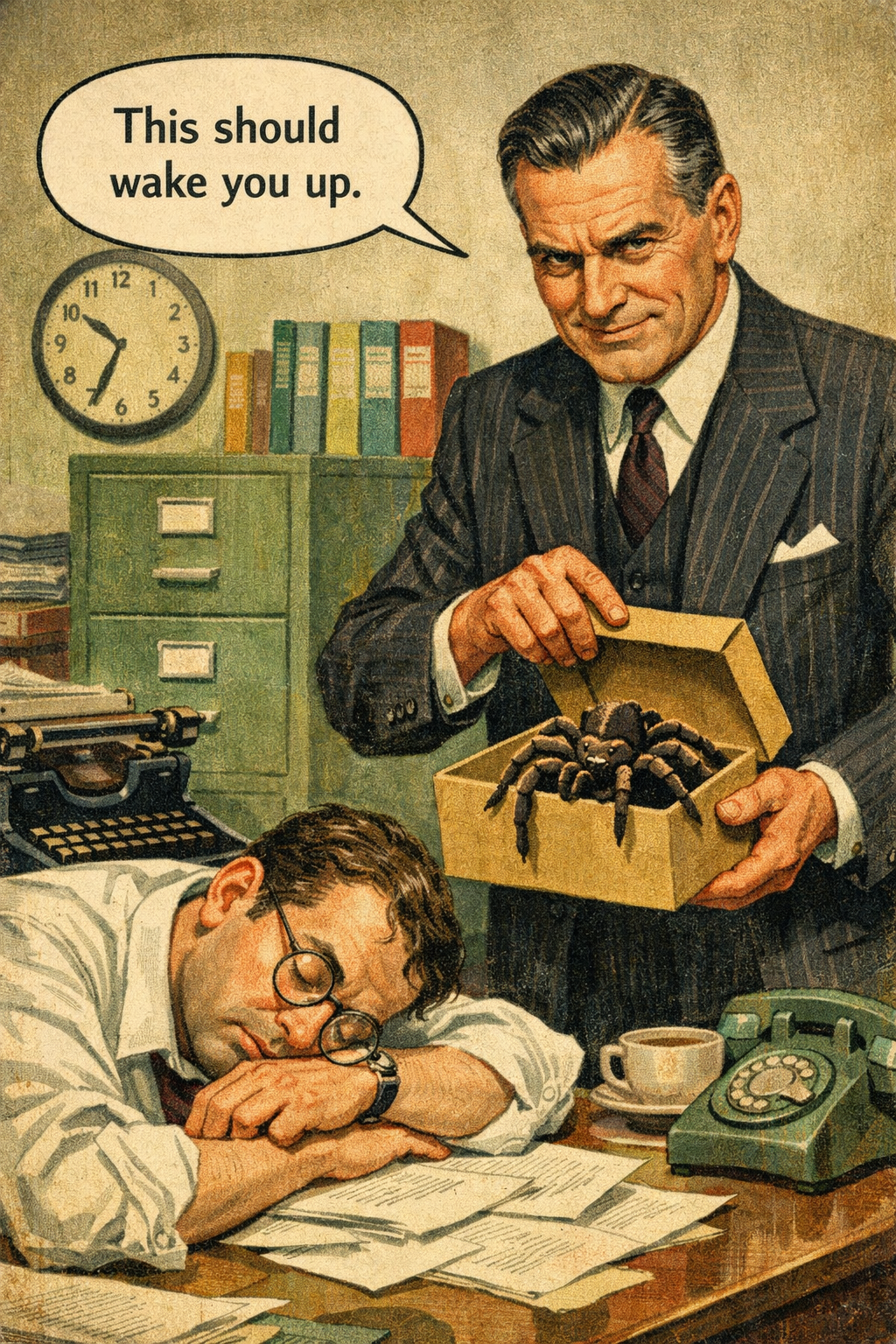
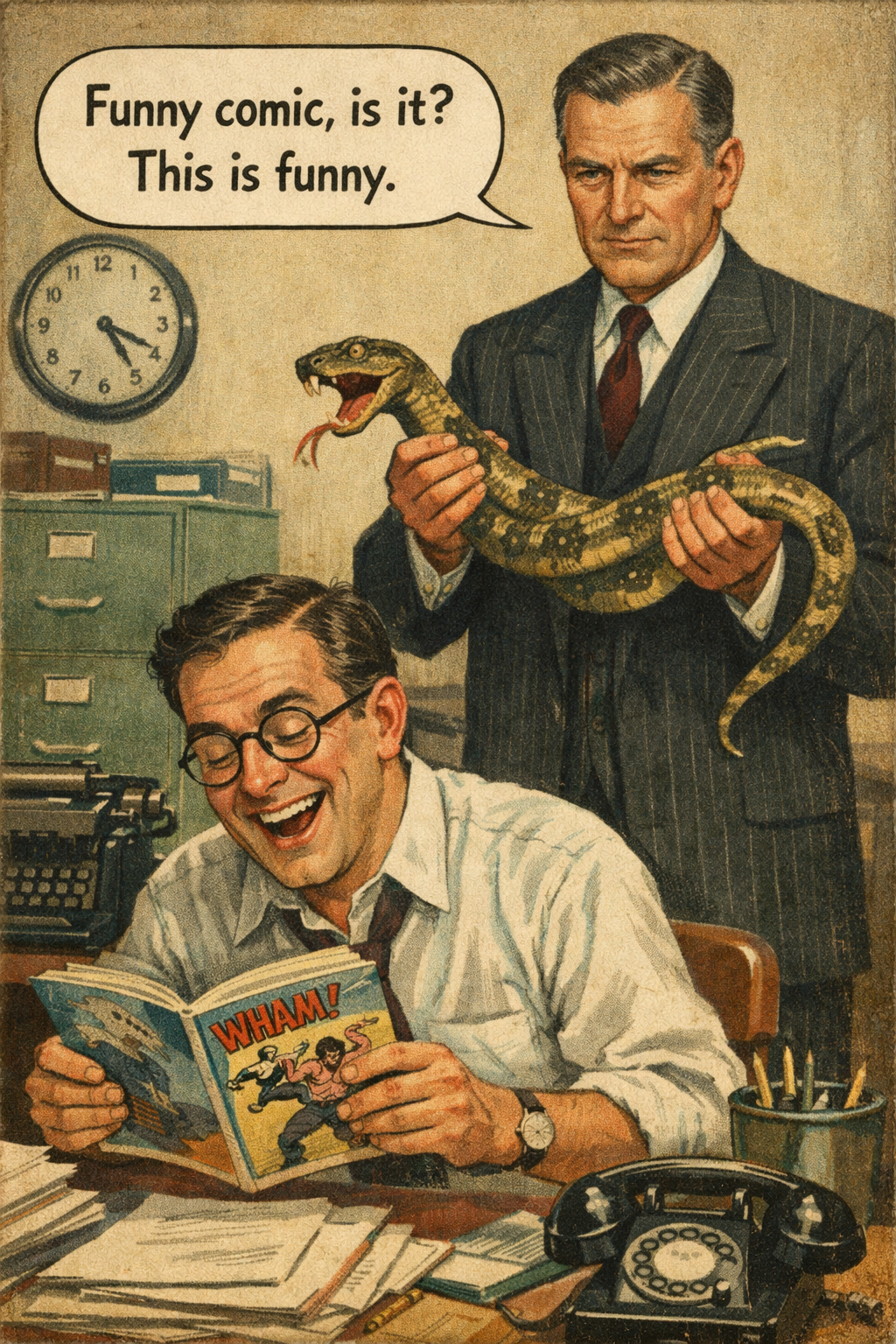
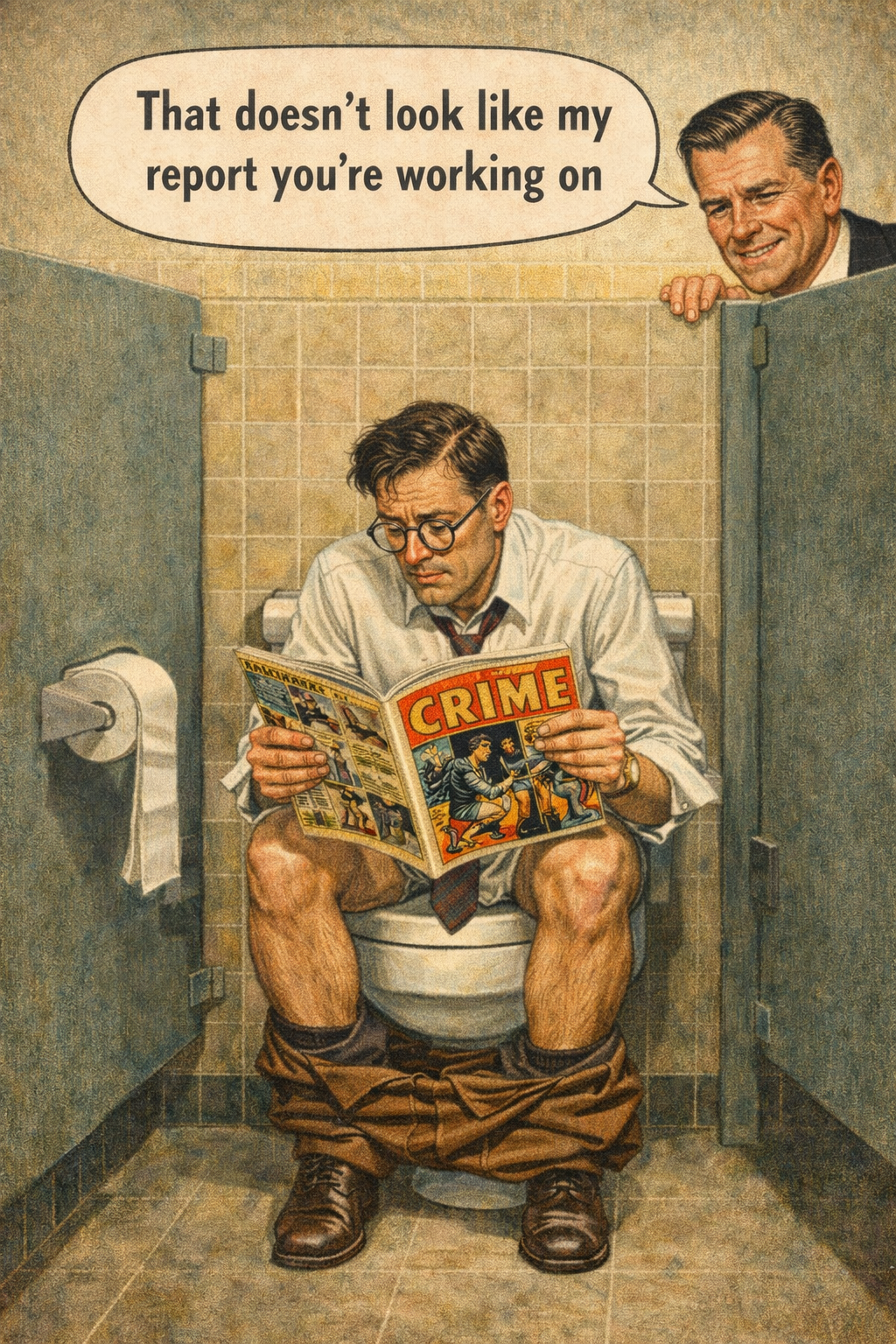
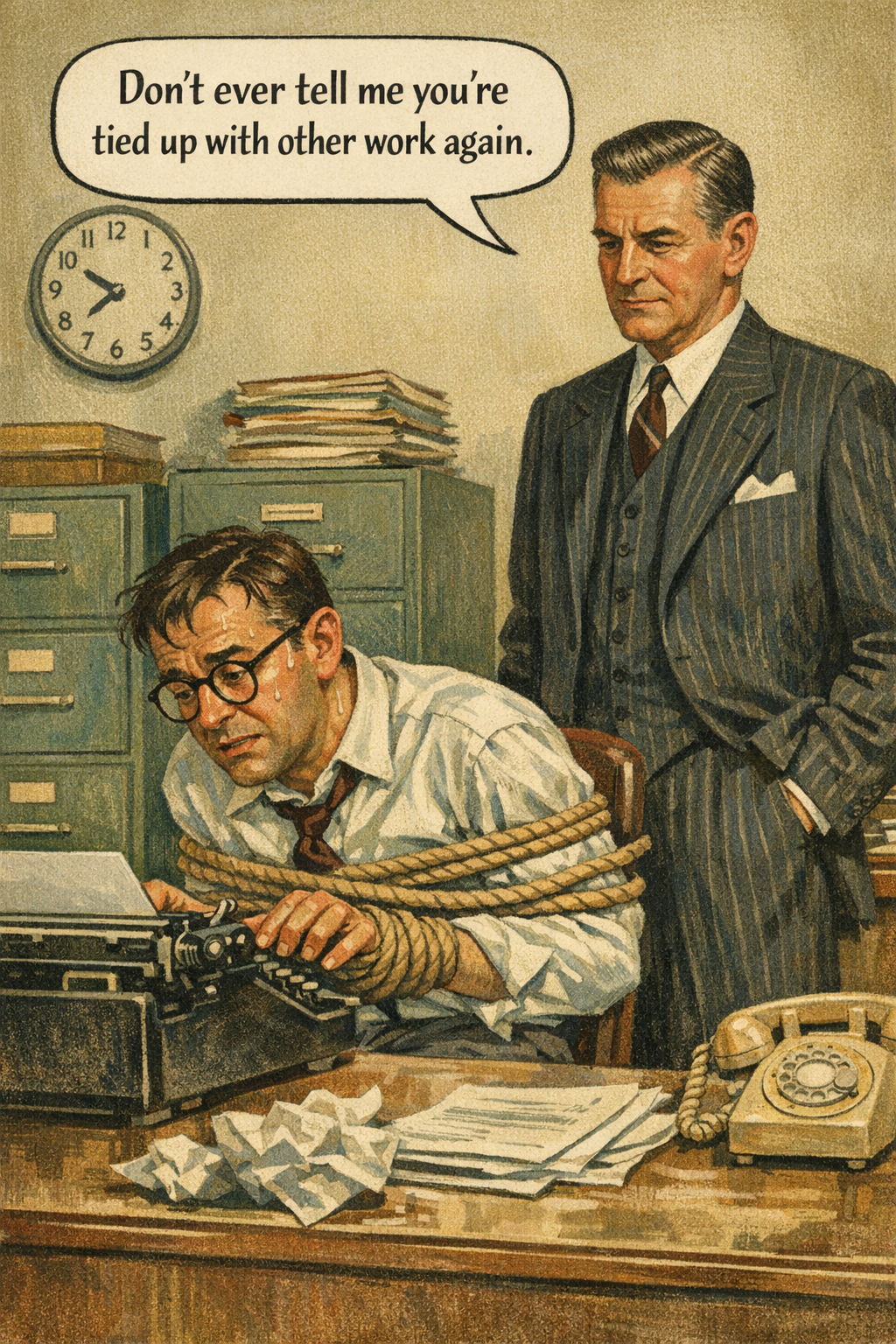
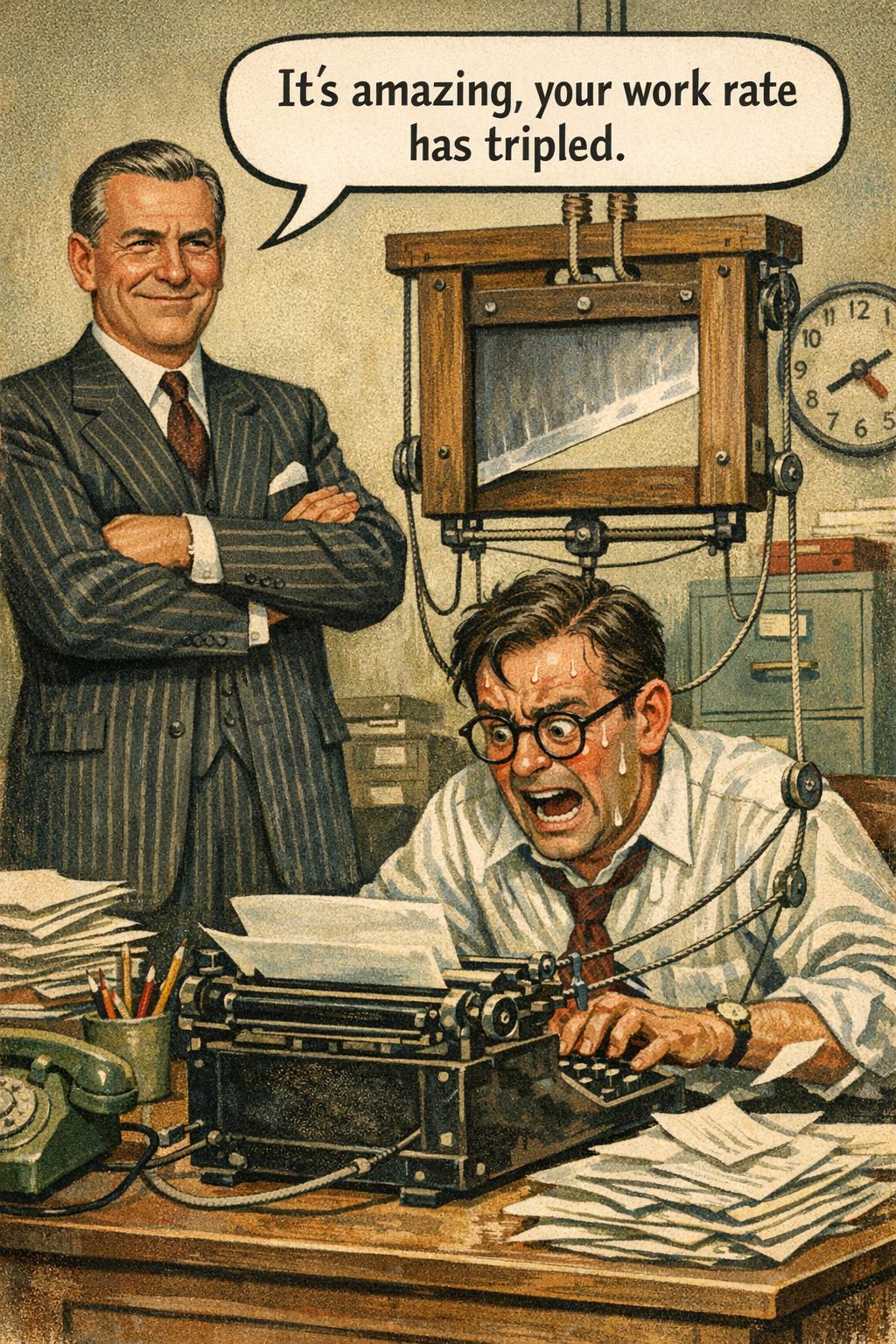
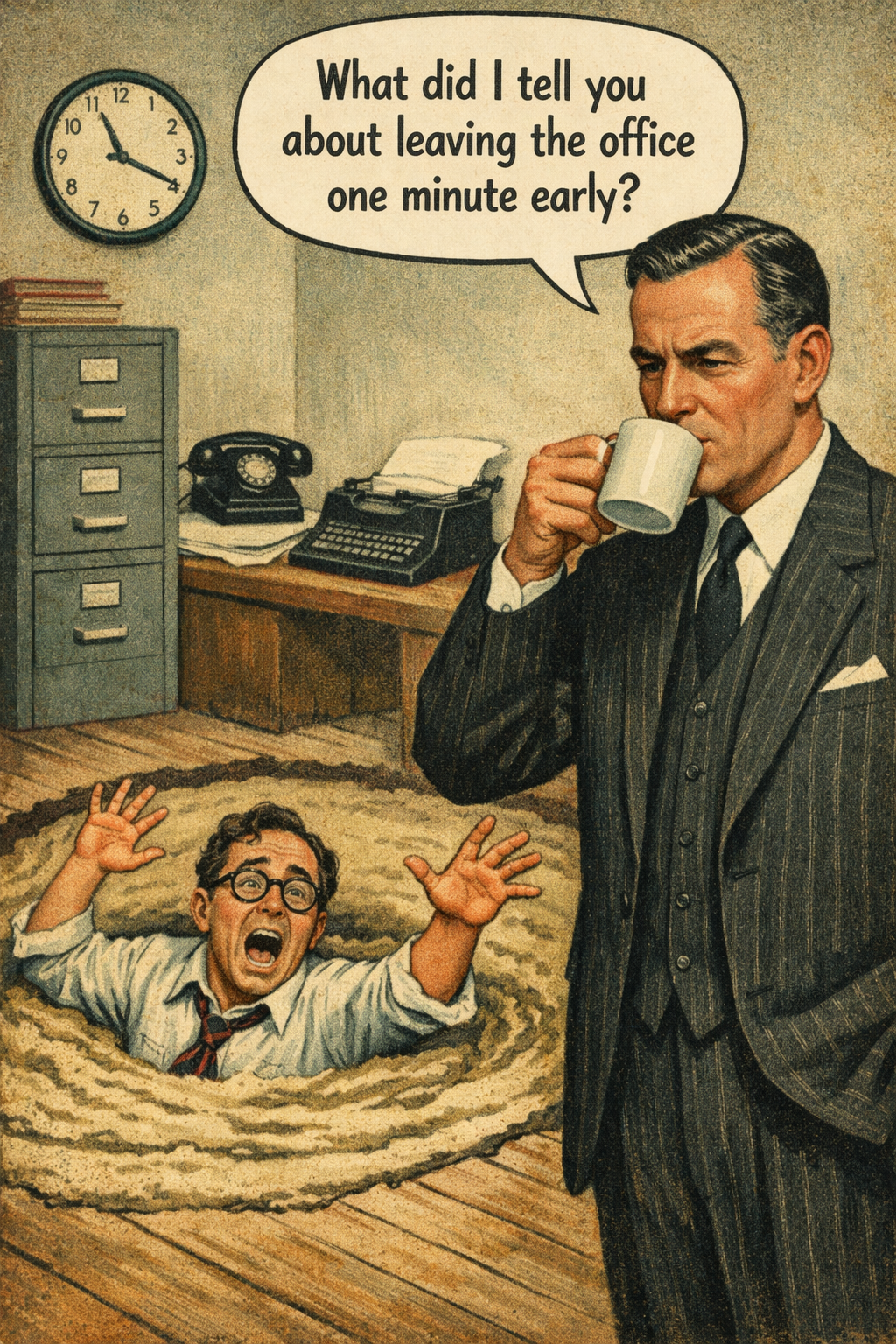
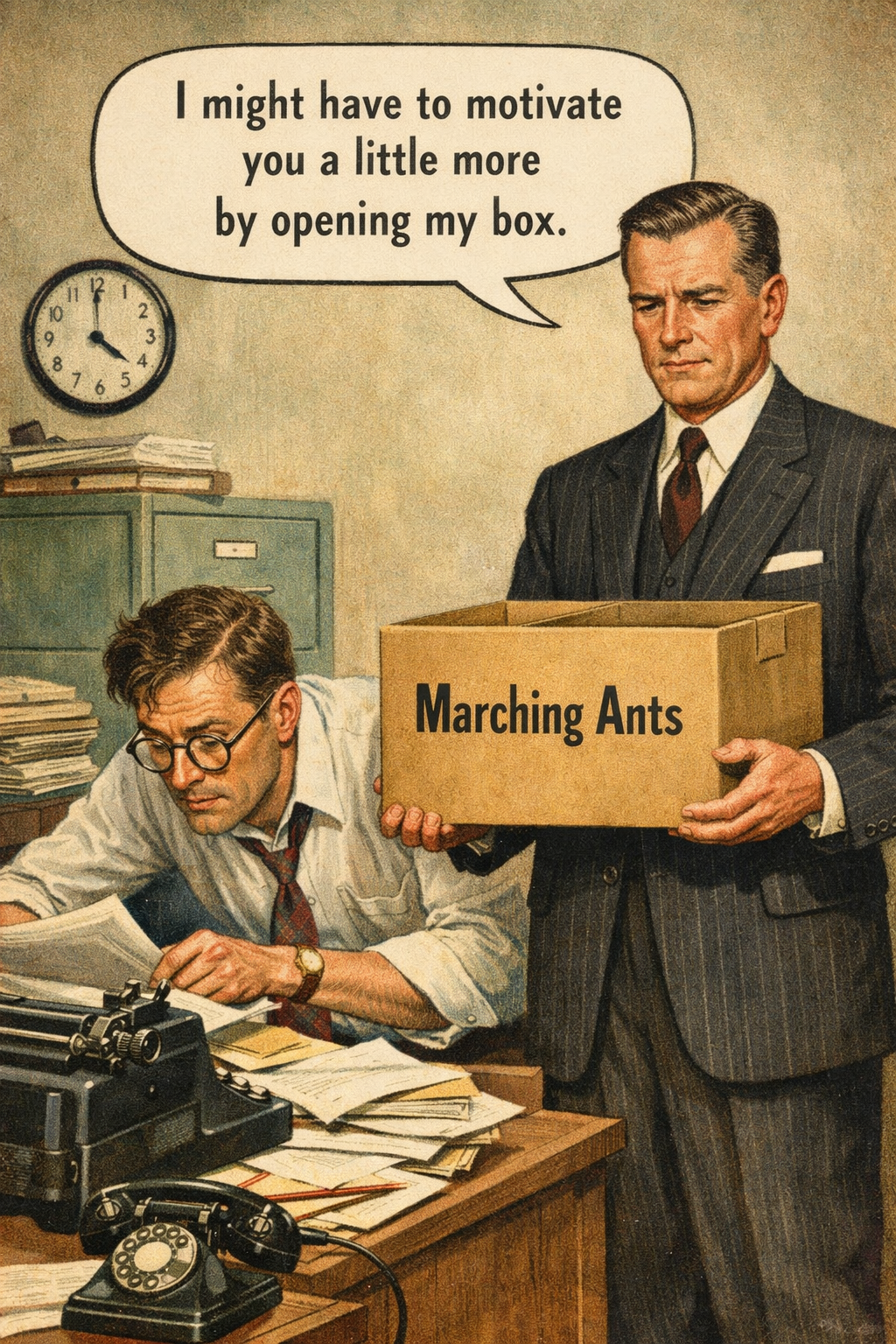
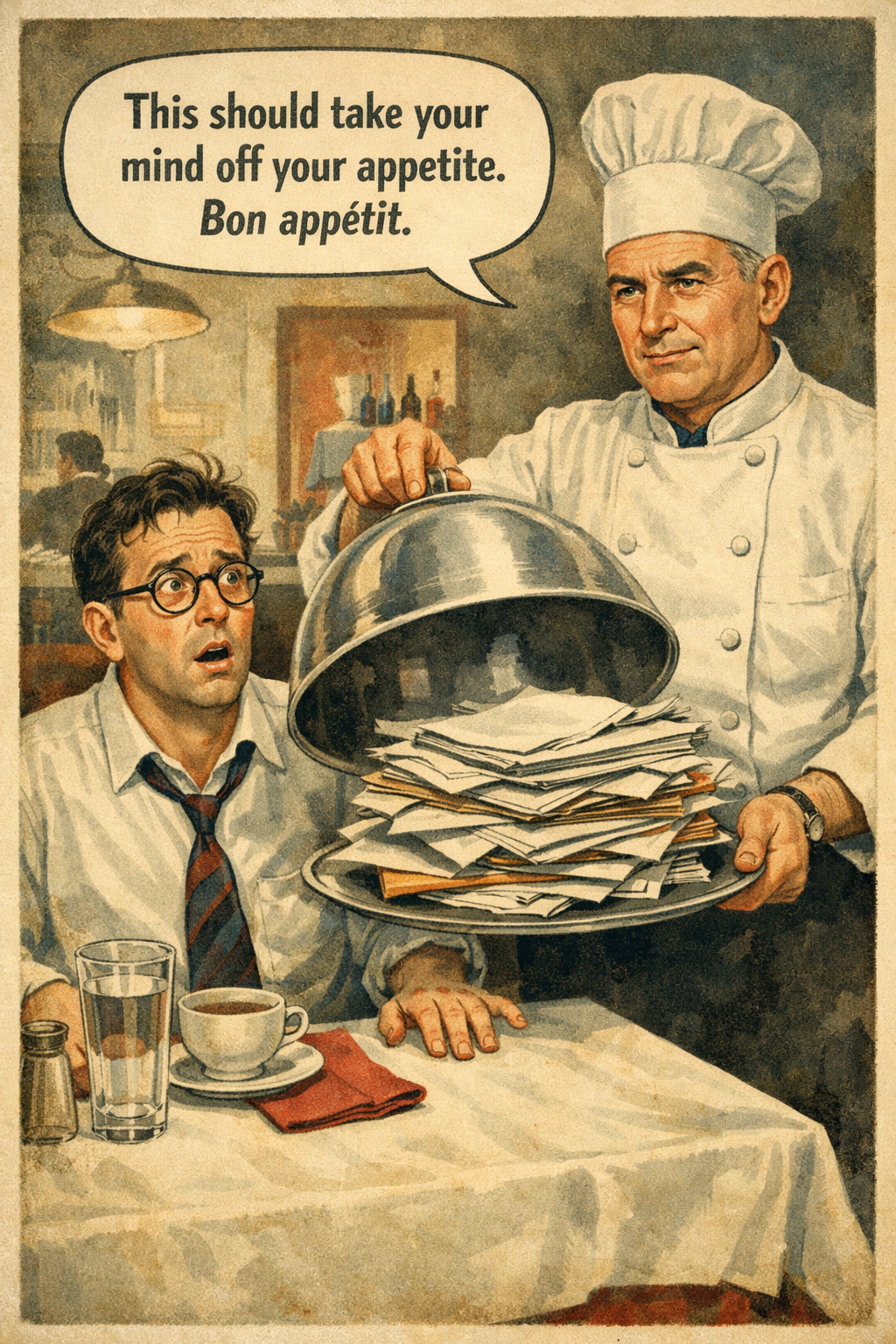
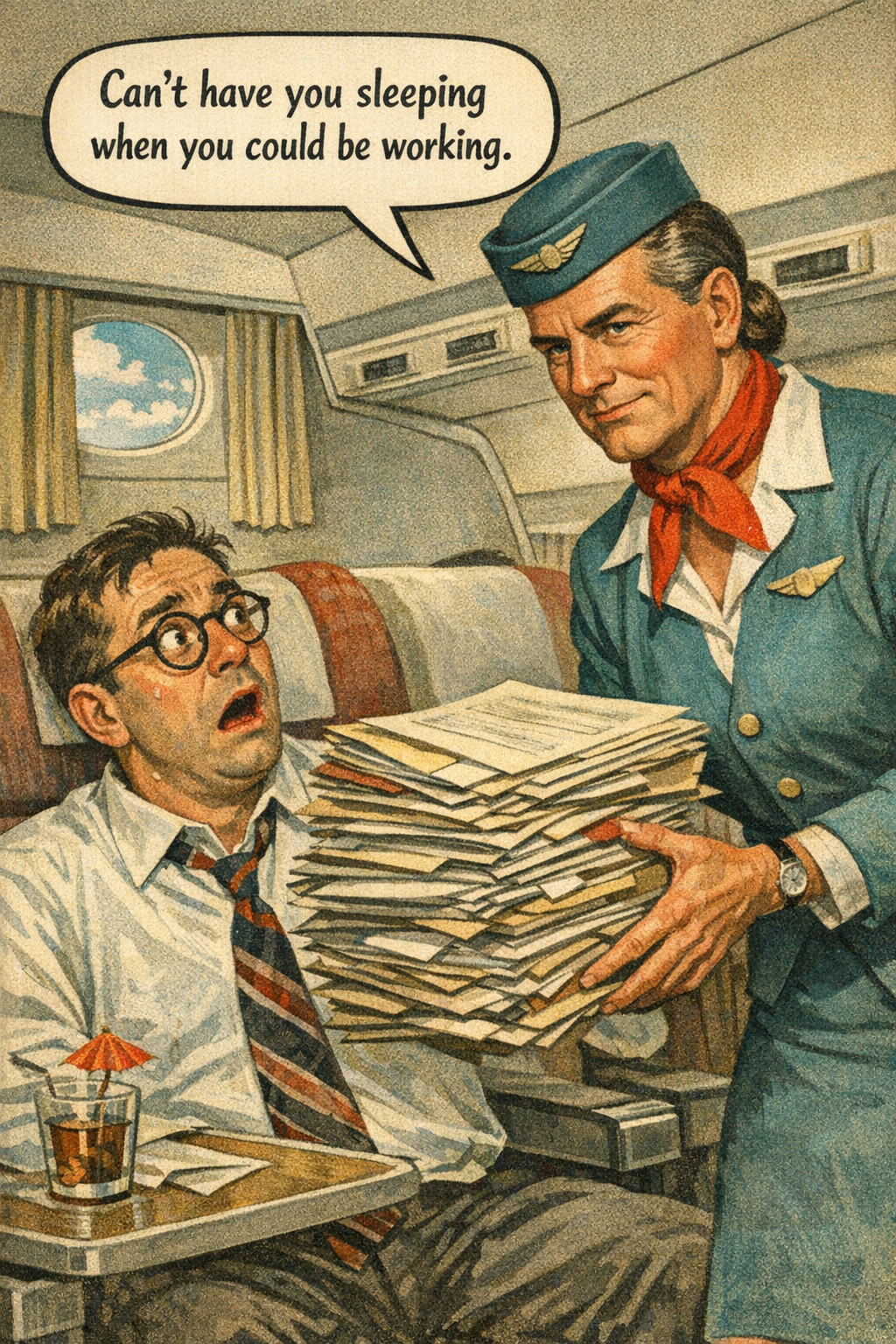
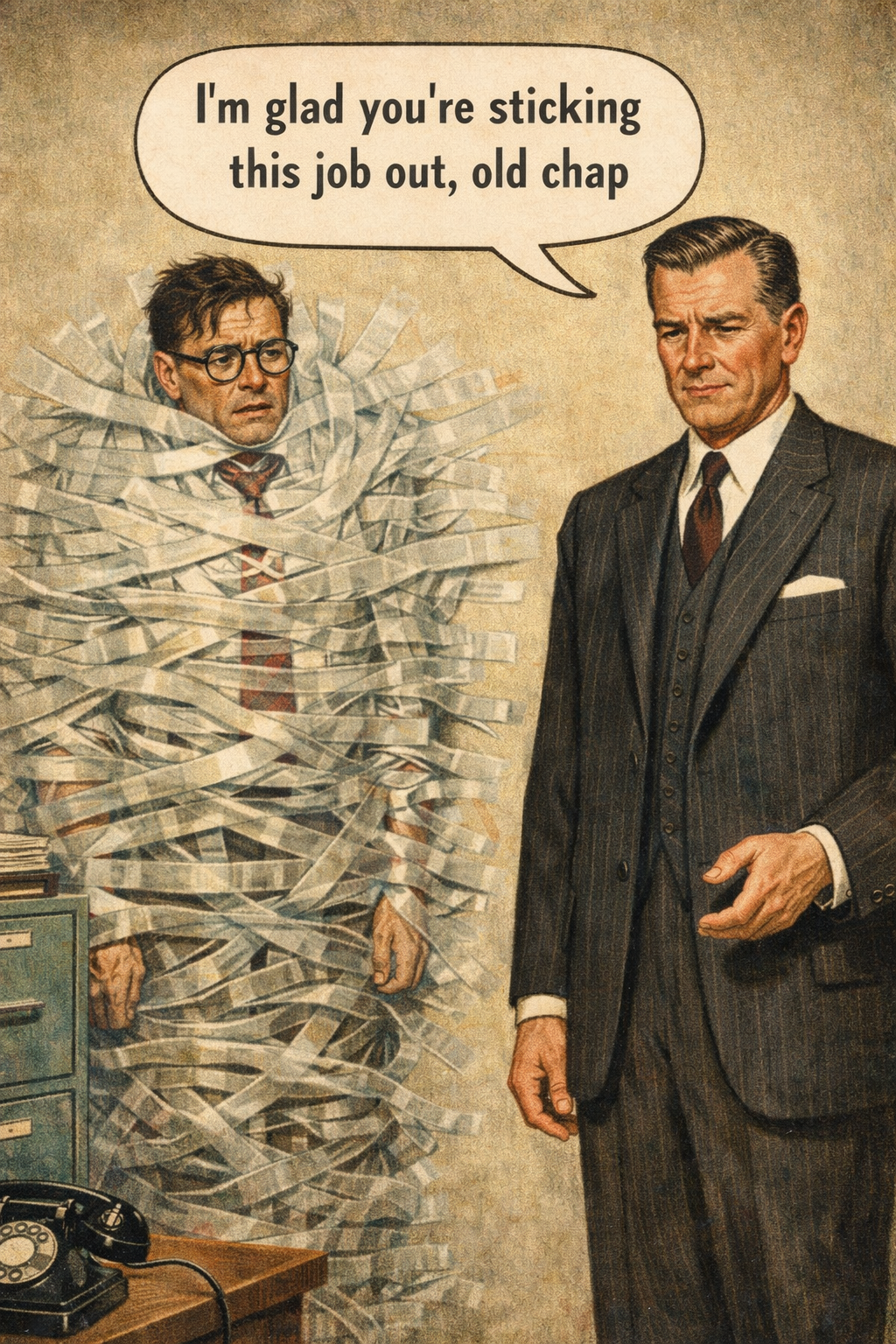
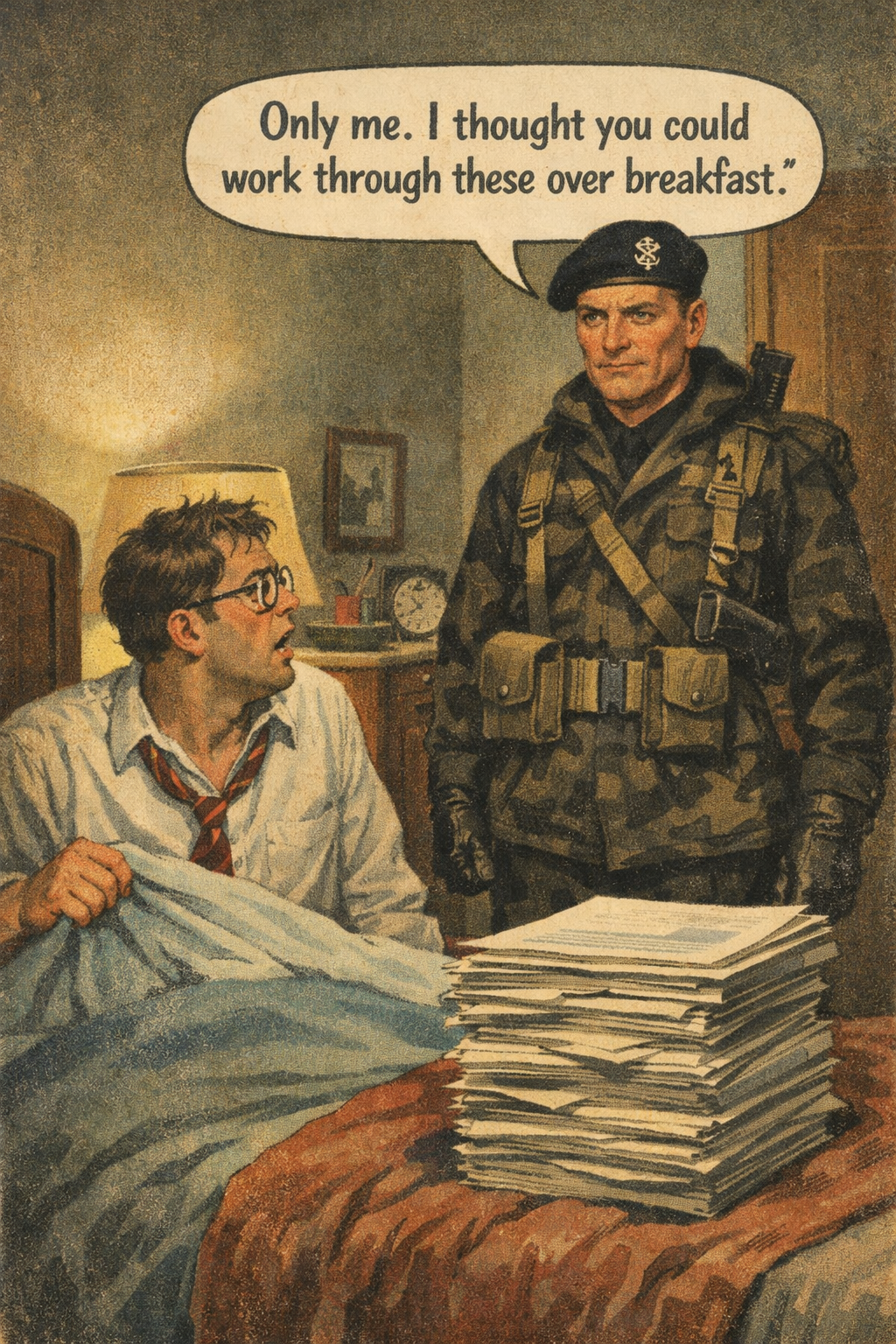
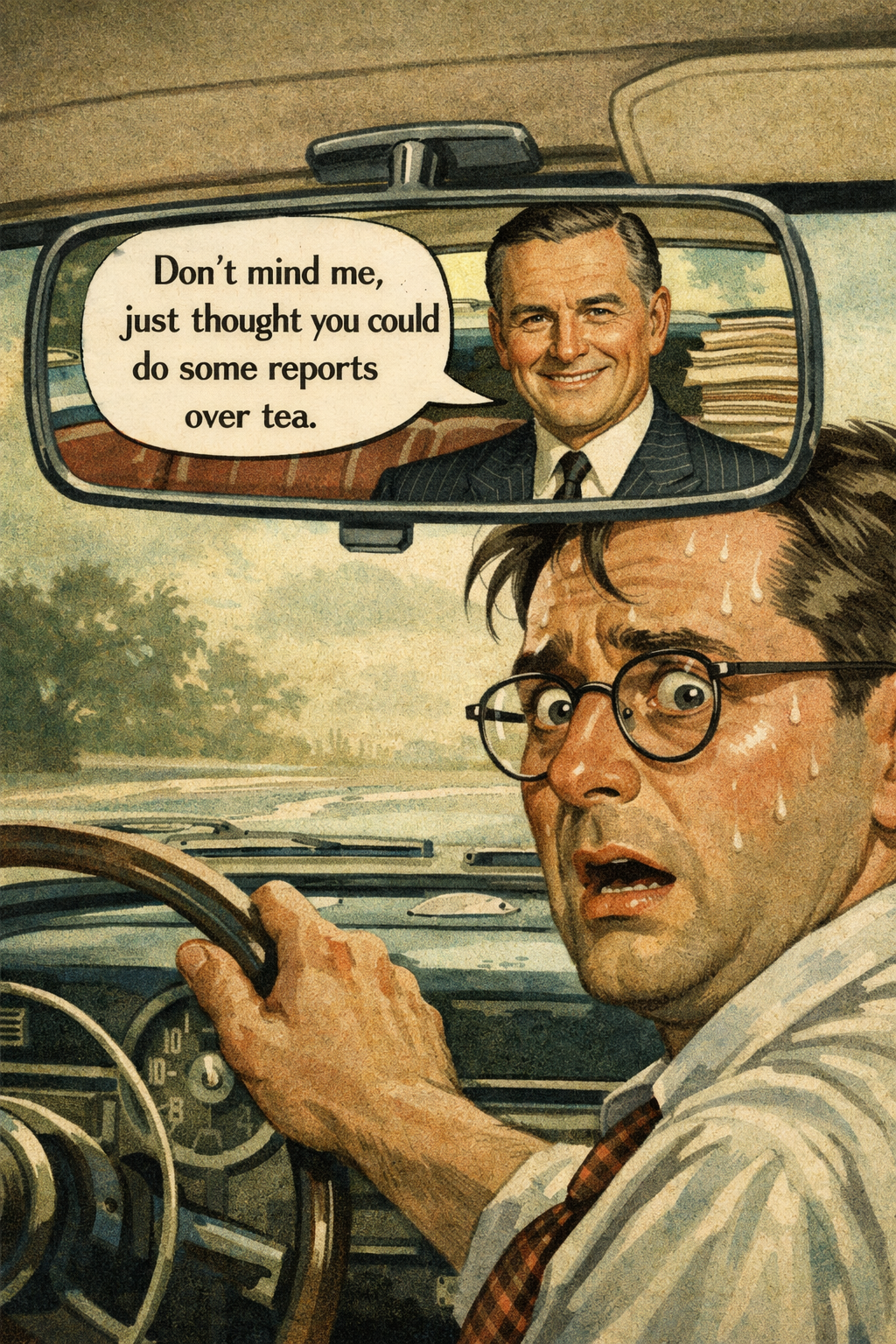
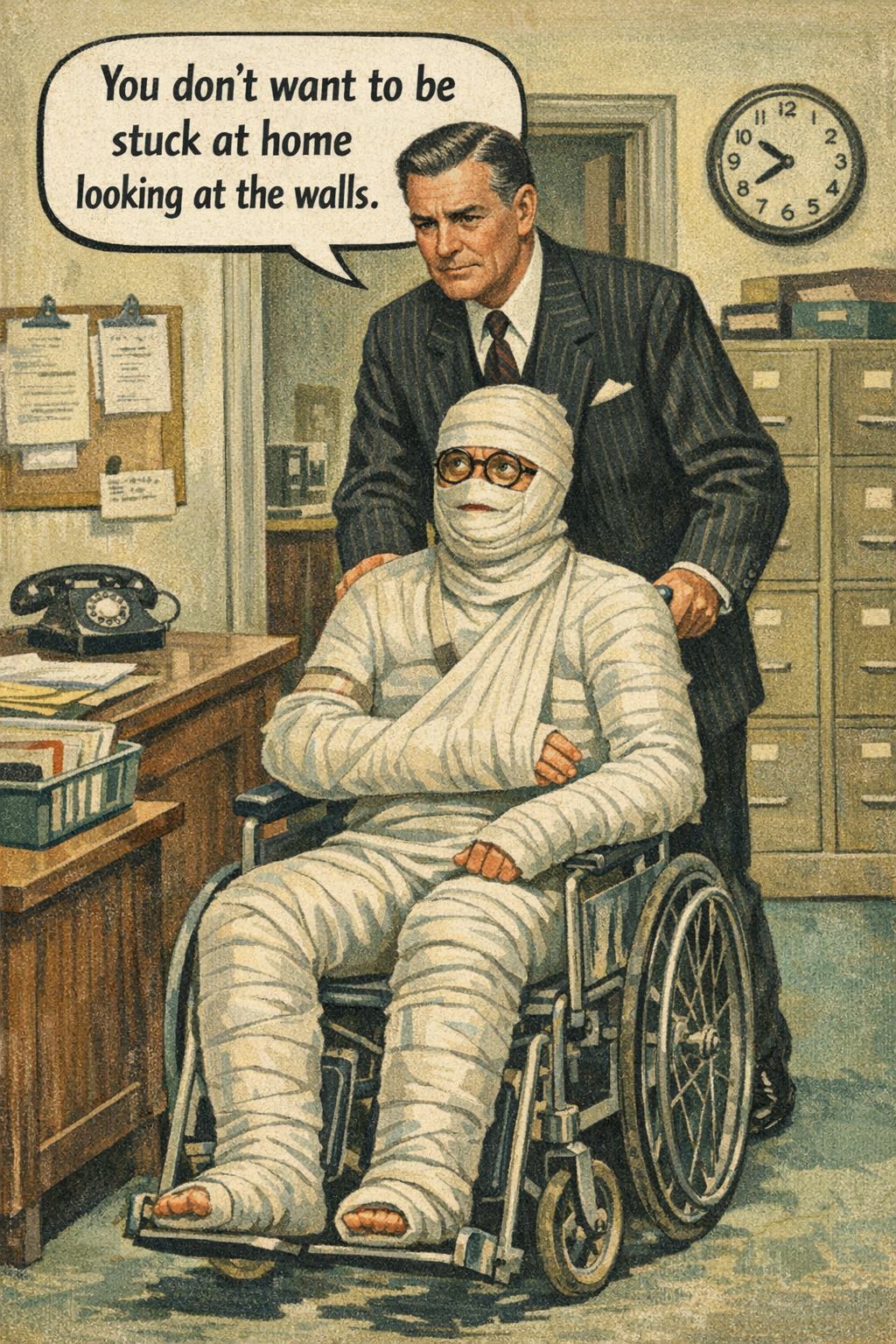
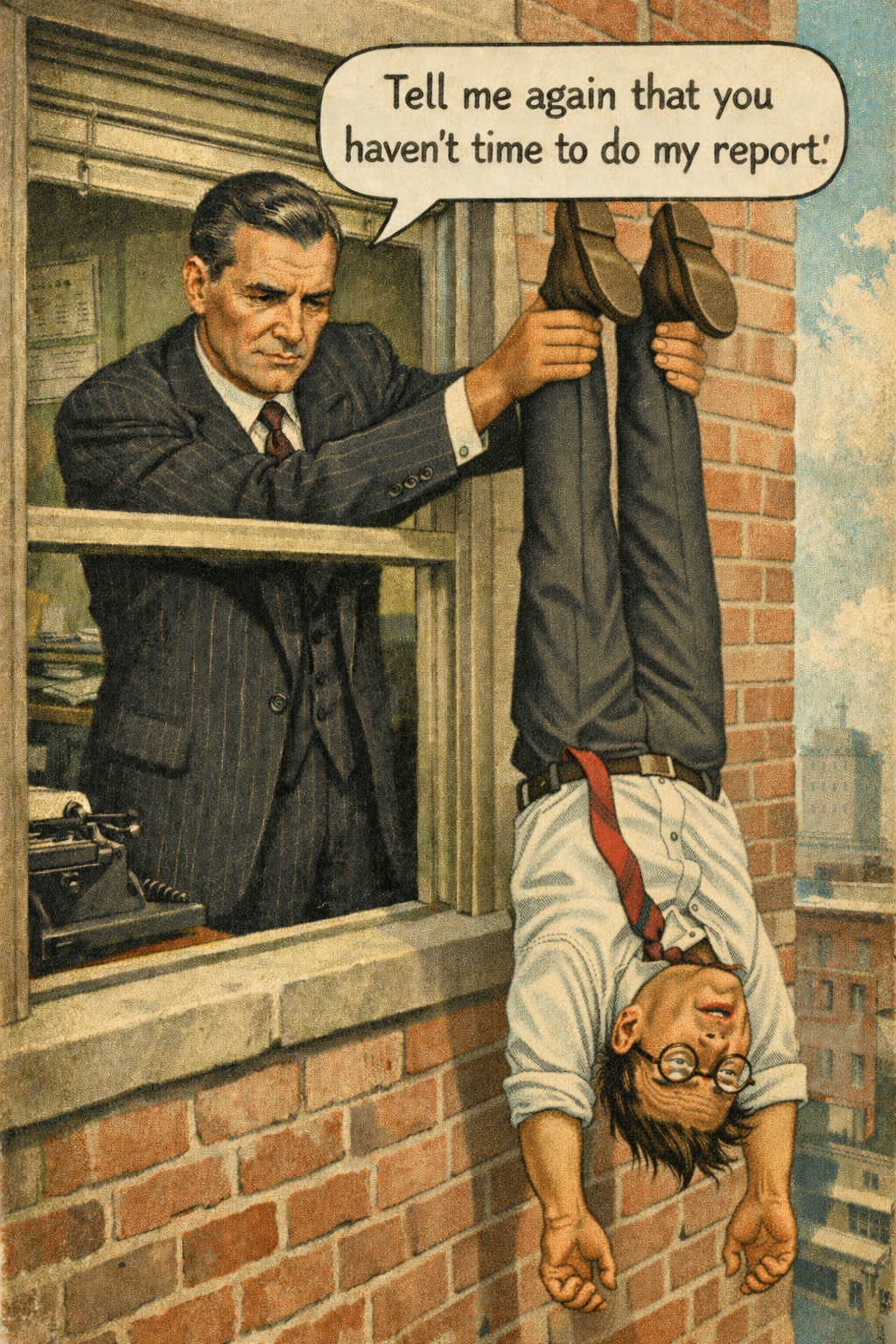
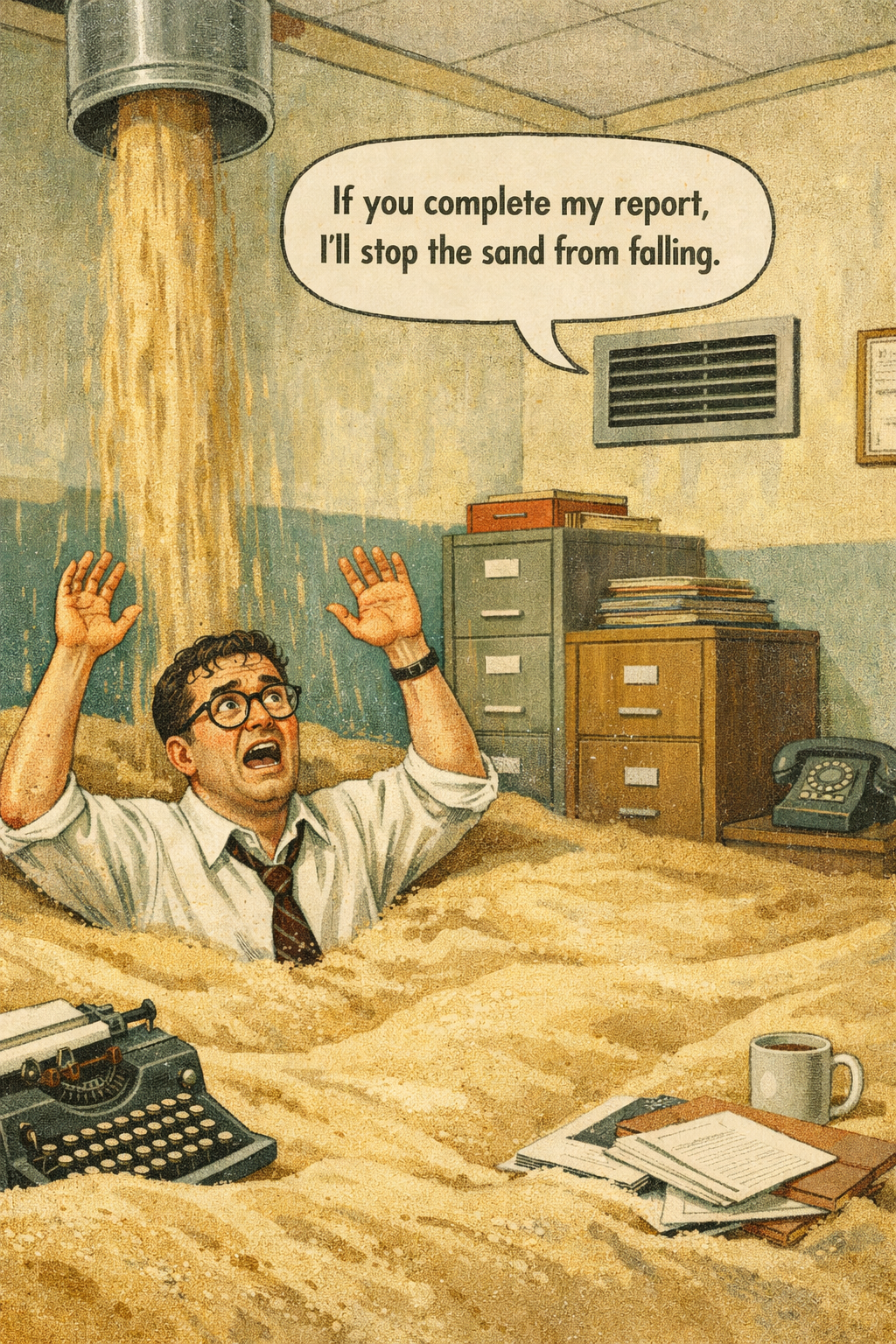
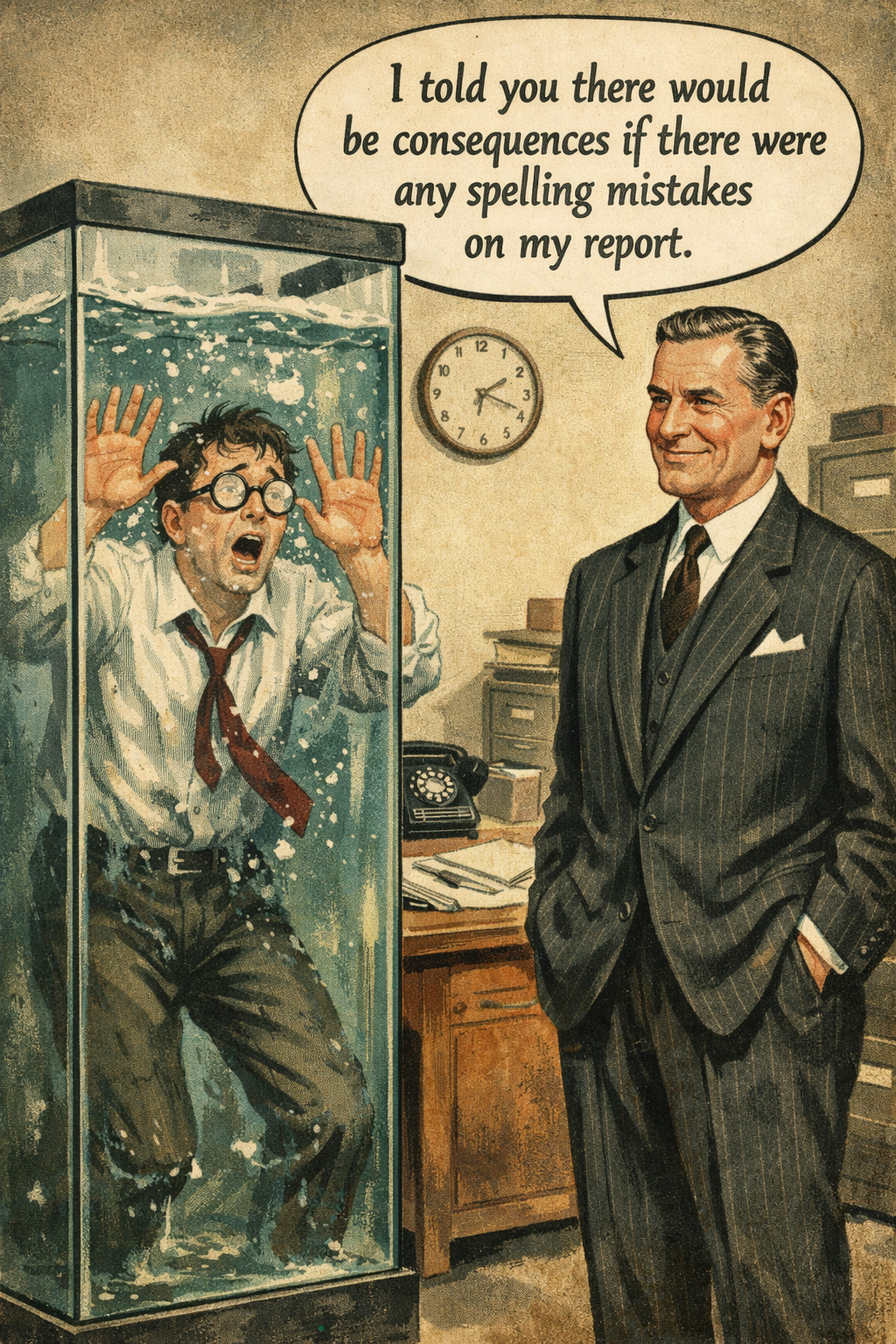
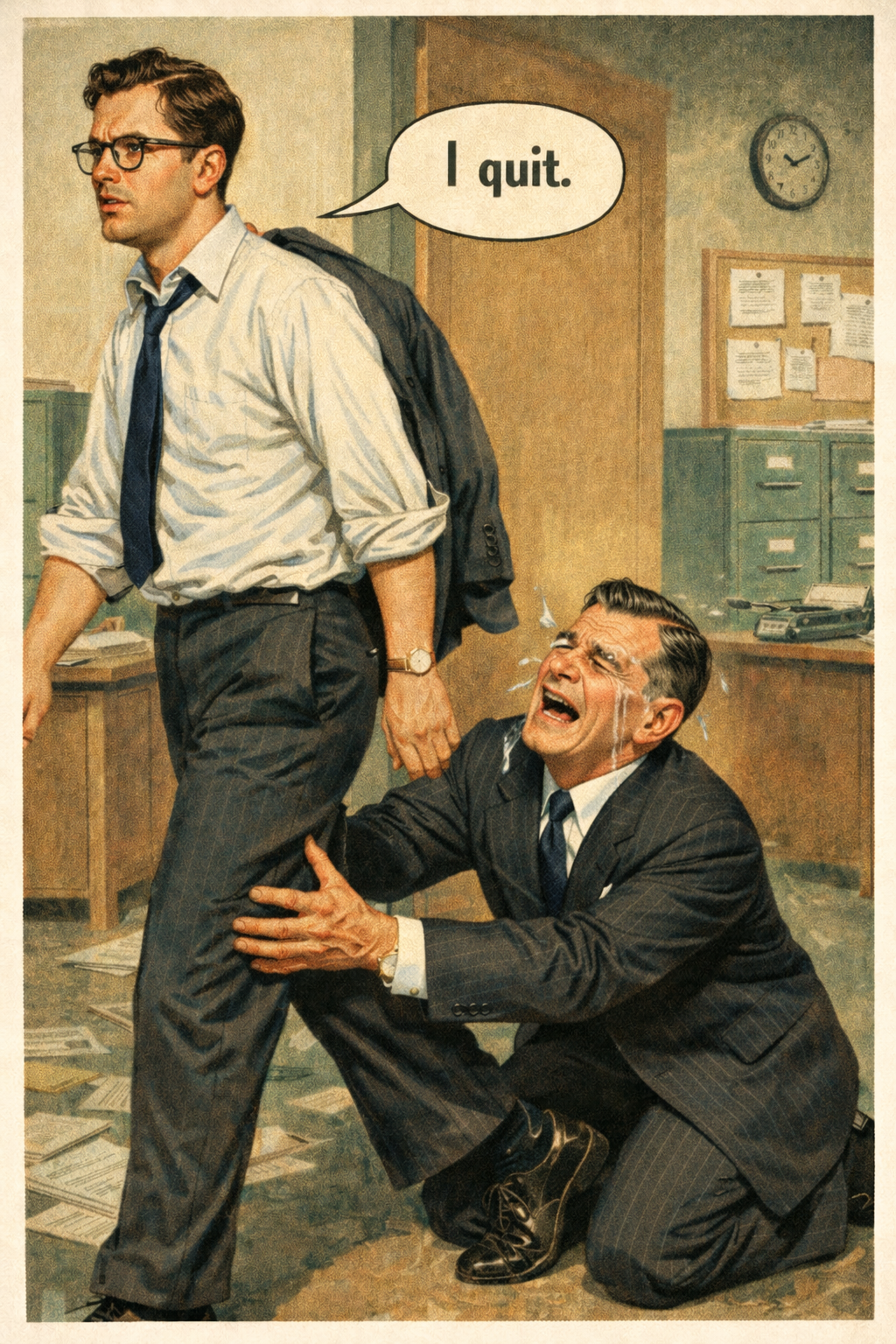
Continue the story → swipe or tap the arrows
If you’ve ever worked in an office, you’ve met a Wilfrid: the confident manager, the motivational phrases, and the subtle chaos behind the scenes. New episodes added regularly.
What Is This Comic About?
Wilfrid Winterbottom is a workplace comedy comic about surviving toxic office culture, bad managers, and the small daily frustrations of corporate life.
The strip exaggerates real situations — unnecessary meetings, passive-aggressive feedback, credit stealing, and authority used without accountability — but the emotional reaction is very real. Many employees recognise the feeling of walking on eggshells around a difficult colleague or manager, and humour is often the only safe way to process it.
This comic uses satire to highlight how toxic workplaces affect morale, confidence, and mental wellbeing while still letting readers laugh at experiences they encounter every week at work.
If you have ever left a meeting more confused than when you entered, you will probably recognise Wilfrid.
Who Does Wilfrid Winterbottom Represent In Real Offices?
Wilfrid represents the insecure manager archetype found in many organisations.
He is not powerful because of leadership ability — he is powerful because of position.
People like this often rely on hierarchy rather than respect.
They typically:
- take credit for team work
- micromanage confident staff
- target quieter employees
- create rules that change depending on who is watching
- perform competence rather than demonstrate it
In real workplaces, this personality thrives where confidence is mistaken for authority and accountability is unclear. The character is exaggerated, but the behaviour is familiar to most office workers.
Why Office Culture Creates Managers Like This
Toxic managers rarely appear in isolation — they are usually a symptom of broken workplace systems.
When senior leadership passes pressure downward without support, middle managers often compensate by controlling the only thing they can: people.
Siloed teams, unclear responsibilities, and fear-based performance environments reward appearance over results.
Instead of solving problems, organisations unintentionally promote individuals who:
- Protect themselves rather than the team
- Escalate blame rather than fix issues
- Prioritise optics over outcomes
Wilfrid exists because corporate structures sometimes reward survival behaviours rather than leadership, and employees feel the impact first.
Why So Many People Recognise Wilfrid
Most employees have worked with a “Wilfrid” at some point in their career.
Not because workplaces deliberately hire difficult people, but because certain environments accidentally reward the wrong behaviours.
In many organisations, managers are promoted for technical ability rather than leadership skills. Once responsible for people instead of tasks, some compensate for uncertainty by controlling processes, conversations, and decisions. What appears as authority is often anxiety about being exposed as unprepared for the role.
This creates familiar workplace patterns:
- excessive meetings instead of clear decisions
- Feedback that sounds official but says very little
- credit flowing upward and blame flowing downward
- confidence treated as competence
Over time, teams adapt by staying quiet, avoiding initiative, and second-guessing simple tasks. Productivity drops, morale drops, and communication becomes careful rather than honest.
Humour works because it removes the risk of saying it directly. A comic strip can show behaviour employees recognise instantly but rarely feel safe describing out loud.
Wilfrid Winterbottom is exaggerated, but the situations are not — which is why readers often find themselves laughing and slightly uncomfortable at the same time.


