

How to Deal With the Victim in the Workplace: Traits, Strategies, and HR Survival Tips
Victims drain teams with drama and excuses. Here’s how to spot their traits, manage them strategically, and protect morale without becoming their rescuer.

How to Deal With the Victim in the Workplace
Every office has one. The colleague who always plays the victim—dodging responsibility, avoiding decisions, and turning every minor setback into a Shakespearean tragedy. They’re not just draining; they can derail productivity, drag down morale, and create a toxic undercurrent in your team.
So how do you spot them? And more importantly, how do you deal with them without either losing your sanity—or becoming their permanent “rescuer”?
 The Office Bantomime Team
What Defines the Workplace Victim?
The “victim” is often tied to imposter syndrome: they doubt their abilities and second-guess themselves at every turn. But unlike those who use insecurity as motivation, the victim weaponizes it to avoid responsibility.
- They decline meeting invites, especially when asked to lead or give feedback.
- They avoid skilled colleagues who might highlight their shortcomings.
- They do the bare minimum to avoid making mistakes that management could spot.
- They hoard evidence of “being mistreated” in case they need to defend themselves later.
As a co-worker, it feels like you’re constantly babysitting someone who can’t (or won’t) pull their weight. And if even 25% of your workforce were like this, the company would be bankrupt in a month.
 James Mason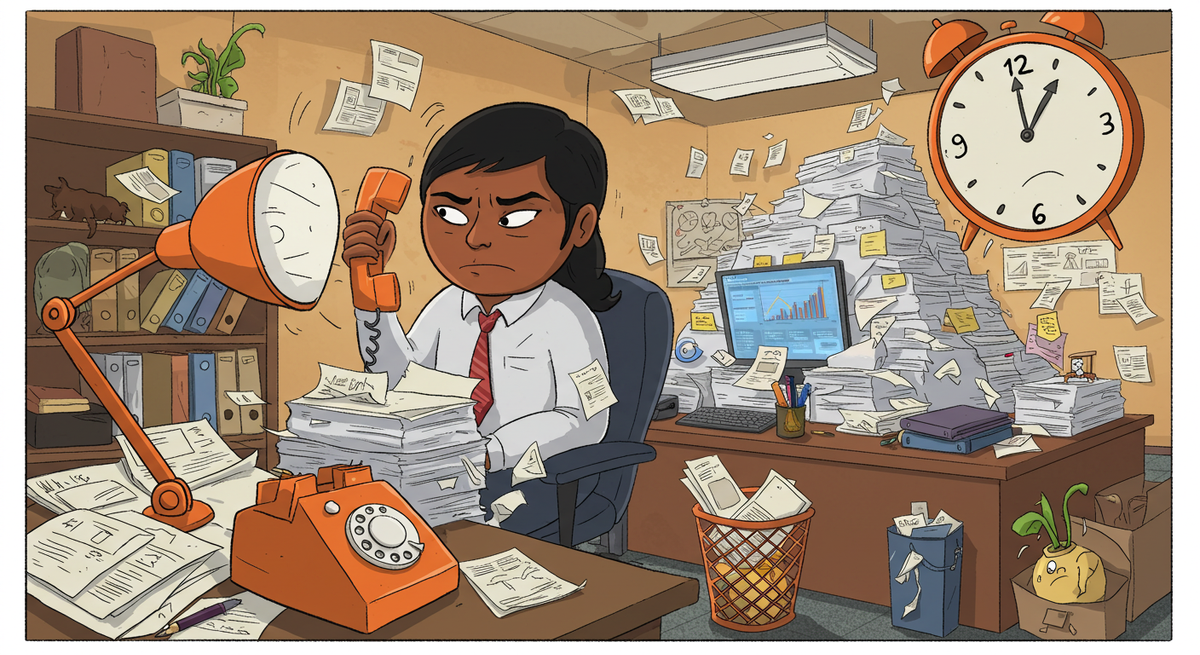
📉 Did You Know?
According to Gallup, 15% of employees are actively disengaged—costing the global economy an estimated $8.8 trillion annually. Victim mentality is one of the behaviours that feeds disengagement.
Why They’re So Hard to Remove
Unlike the office slacker who can be performance-managed out, victims are strategic. They meticulously document every perceived slight, complaint, and grievance. They’ll even threaten to quit—but never actually follow through. They thrive on attention, sympathy, and their perceived martyrdom.
Even if they leave, nothing really changes. Within weeks, employees realise they’re still trapped in the same cycle—until the next “victim” emerges in a new disguise.
Internal OB Links:
- Meet HR Karen: Enforcing Policy with Zero Empathy (and a Smile)
- 10 Types of Annoying Co-Workers (and How to Deal With Them)
- When the Boss Calls in Sick and Chaos Calls You
Common Traits of the Workplace Victim
You might be dealing with one if they:
- Blame others whenever a goal isn’t met.
- Constantly share personal difficulties hoping for sympathy.
- Claim colleagues get “easier paths” or special treatment.
- Withdraw from team activities or deny having fun.
- Appear unusually “unlucky,” as though drama follows them.
- Only agree to tasks after offering passive-aggressive commentary.
👉 Stat to drop in: A recent Gallup study found that 15% of employees are “actively disengaged,” costing the global economy $8.8 trillion annually. Victim behaviour often overlaps with disengagement, dragging teams down with them.
 James Mason
Why Playing the Victim Feels Good
Believe it or not, victimhood comes with perks (at least for them):
- Attention: Sympathy makes them feel important.
- Avoidance: By acting helpless, they dodge tasks and accountability.
- Control: Ironically, they control colleagues by guilting them into rescuing.
- Reinforcement: Each time they’re pitied, the cycle deepens.
It’s a self-fulfilling prophecy: they expect failure, avoid responsibility, and—shockingly—fail.
How to Strategically Deal With the Victim
If you’re ambitious and stuck with a victim on your team, you need strategy, not sympathy.
- Outshine Them by Over-Delivering
Take on tasks they dodge. Not only do you shine, but their excuses look weaker by comparison. - Flip Their Complaints into Actions
When they moan, respond with: “Good point—why don’t you draft a proposal on that?” - Document Everything
Keep notes of conversations and task assignments. If escalation to HR is needed, you’ll have evidence. - Use HR Early
Victim behaviour chips away at morale. Involve HR sooner rather than later to avoid accusations of bullying or unfair treatment. - Team-Building Counterattack
Sometimes, group trust-building breaks the cycle. Victims can’t thrive when accountability is shared and transparent.
 James Mason
Why HR Needs to Care
Dealing with victims isn’t just about saving Friday afternoon meetings. It’s about protecting productivity and morale:
- Deloitte reports that 87% of employees value workplace culture and wellbeing as essential to performance.
- Toxic behaviours like victimhood don’t just annoy colleagues—they undermine retention and increase burnout.
- Left unchecked, a single victim mentality can spread, creating a culture of excuses instead of solutions.
Conclusion: Tread Carefully but Act
People with a victim mentality will always believe something—or someone—else is to blame for their misfortunes. But indulging them is dangerous:
- They sap energy from teams.
- They block productivity.
- They risk dragging morale into the gutter.
👉 The safest strategy: document, escalate, and involve HR. Combine this with clear expectations, fair feedback, and team activities that focus on ownership and solutions.
Because while humour can keep you sane, avoiding charges of bullying or prejudice is critical. Sometimes the most professional response is the simplest: call it out, keep it factual, and keep it moving.
OB Verdict
The workplace victim might act like a parasite, but they only survive when others keep feeding the drama. Don’t be their knight in shining armour. Be the colleague who quietly gets on with it—and forces them into the daylight of accountability.


