
Why Do Some Coworkers Have Slopey Shoulders And Brush You Off When You Need Their Help?
Some coworkers don't want to take responsibility. They want to watch the world burn.


Introduction
Imagine you're in dire need of a helping hand from a colleague, but instead of receiving a supportive response, you encounter the all-too-familiar sight of slopey shoulders.
Yes, you read that right – slopey shoulders. But what exactly does this term mean, and why do some coworkers seem to have mastered the art of brushing off responsibilities?
Understanding "Slopey Shoulders"
To fully grasp the concept, let's first define it. The Urban Dictionary describes "slopey-shouldered" as the opposite of "broad-shouldered."
A broad-shouldered individual is strong, confident, and willing to take responsibility for their actions.
In contrast, a slopey-shouldered person avoids accountability, shifting tasks onto others while skillfully dodging responsibility.
Responsibility Level
 James Mason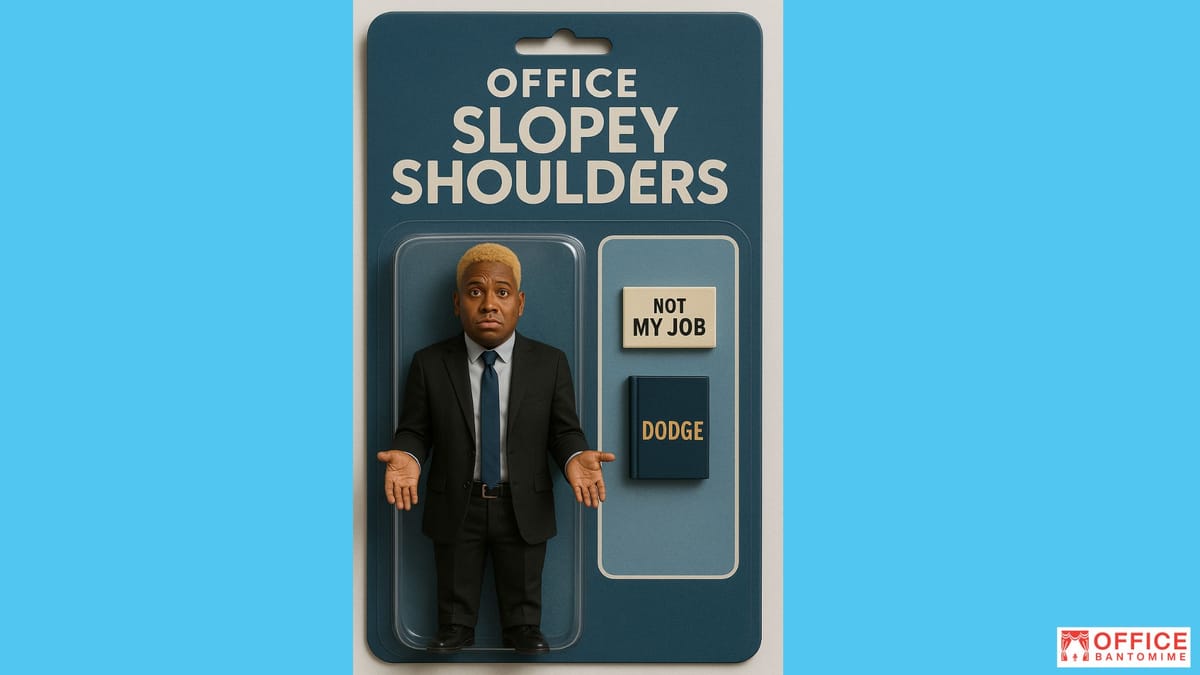
The Skill of Avoiding Accountability
Slope-shouldered individuals are often found in positions of authority, yet they manage to evade tasks by passing them onto subordinates.
They strive to appear competent while ensuring someone else does the heavy lifting. This phenomenon is not confined to a specific profession—it's widespread across industries.
If you're good at avoiding responsibility without being exploited, then that's a talent in itself.
A recent workplace survey found that 42% of employees said they’ve had to take on work regularly dodged by coworkers with “slopey shoulders.”
A Widespread Workplace Phenomenon
Slopey shoulders exist in every workplace, from corporate offices to educational institutions, government roles, and even skilled trades.
It doesn’t matter if someone is a manager, director, CEO, teacher, pilot or even those entrusted with preparing school lunches for our kids. People will always find a way to shift responsibilities onto others.
Why does this happen? Because avoiding responsibility is easier than taking ownership, and in many workplaces, this behaviour is tolerated or even rewarded.

The Delegation Dilemma: When Delegation Becomes Exploitation
Delegation is an essential skill in any professional setting. However, slopey-shouldered individuals misuse delegation by overburdening their colleagues with an unfair workload.
Think about it:
- Why does a pilot rely on autopilot instead of flying manually the entire trip?
- Why does a gangster hire someone else to “handle” a situation?
- Why should you be the one cleaning up at a fast-food restaurant after your meal?
The answer? Some people will always find a way to shift responsibility while still appearing competent.
 James Mason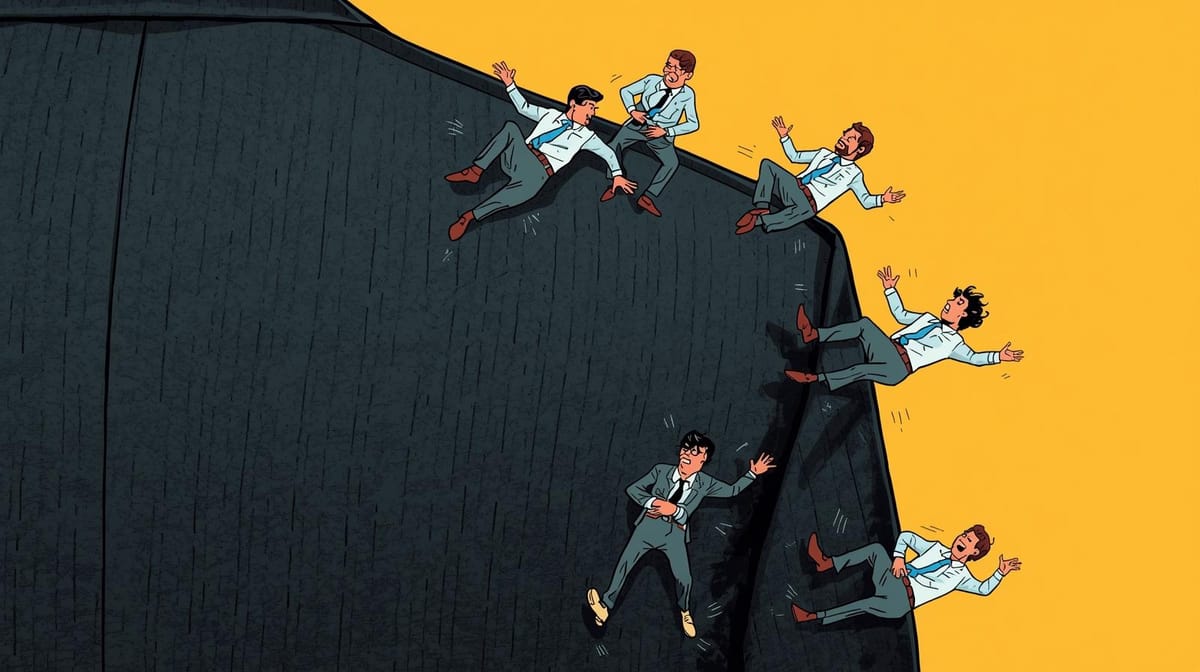

Over time, this leads to increased stress, burnout, and reduced productivity within teams.
Is Your Coworker Slopey-Shouldered?
Step 1: Do they avoid taking responsibility?
⬇️
Yes → Move to Step 2
No → Congrats, you’ve got a broad-shouldered teammate 🎉
Step 2: Do they shift blame onto others?
⬇️
Yes → Classic slopey shoulders — set clear accountability ✔️
No → They might just be overwhelmed. Try offering support 🤝
Step 3: Do they vanish at deadline time?
⬇️
Yes → Survival tip: stop catching everything they drop 🚫
No → They’re learning to stand tall. Encourage them 💪
Signs of a Slopey-Shouldered Coworker
So how do you know if your colleague is carrying invisible Teflon on their shoulders? Here are some dead giveaways:
- The Quick Deflector: The moment a problem appears, they’re already pointing fingers elsewhere.
- The Meeting Escape Artist: Suddenly goes quiet when responsibilities are being assigned. Camera off, mute on.
- The “Not in My Job Description” Hero: Loves reminding you what they don’t do.
- The Vanishing Act: They’re nowhere to be found when deadlines approach. Yet mysteriously reappear once the dust has settled.
- The Expert Excuser: “I thought you had that?” is their catchphrase. Followed by, “Oh, must’ve been a miscommunication.”
 James Mason
Common Excuses Used by Slopey-Shouldered Individuals
- "I don’t know how to do that; no one has ever shown me."
- "That’s not in my job description."
- "This task is above my pay grade."
- "I was aware of the issue, but it’s not my job to report it."
- "If I start this task, I’ll be stuck with it forever."
- "Why should I teach someone else? That’s not my responsibility."
- "If I automate this, won’t my job become obsolete?"

These phrases are red flags indicating a pattern of avoidance. If you hear them regularly, you may be dealing with a professional excuse-maker rather than a team player.
How to Combat Slopey-Shouldered Organisations in the Workplace
The key to addressing this issue lies in encouraging a culture of accountability. Organisations and teams can implement several strategies to discourage avoidance and encourage responsibility:
1. Promote Accountability
Encourage a workplace culture where ownership of tasks is expected and rewarded. Make it clear that everyone, regardless of rank, is responsible for their work.
2. Establish Open Communication With All Individuals
Create an environment where employees feel comfortable discussing workload concerns and addressing issues without fear of retaliation.
3. Provide Training and Development
Ensure employees are equipped with the right skills and knowledge to confidently take on tasks rather than avoiding them.
4. Lead by Example
Strong leadership sets the tone for an organisation. When managers and executives demonstrate accountability, employees are more likely to follow suit.
5. Recognise and Reward Accountability
Positive reinforcement works. Recognising employees who consistently take responsibility encourages others to do the same.
Final Thoughts: How to Get Rid of the Slopey-Shouldered Mindset for Good
If your workplace is overrun with slopey-shouldered coworkers, the best defence is a culture shift towards accountability.
By implementing these strategies, we can replace excuses with action, encourage responsibility, and create a more efficient, productive, and positive work environment.
What’s your experience with slopey-shouldered coworkers? How do you handle them? Drop a comment below! 👇
 James Mason
Q: What does slopey shoulders mean in the workplace?
A: It’s office slang for avoiding responsibility or accountability, usually by deflecting blame or passing tasks onto others.
Q: How do you deal with a slopey-shouldered coworker?
A: Be crystal clear about responsibilities, hold people accountable, and avoid always picking up their slack.
Slopey Shoulder Excuse Generator
Click below to reveal an excuse...


